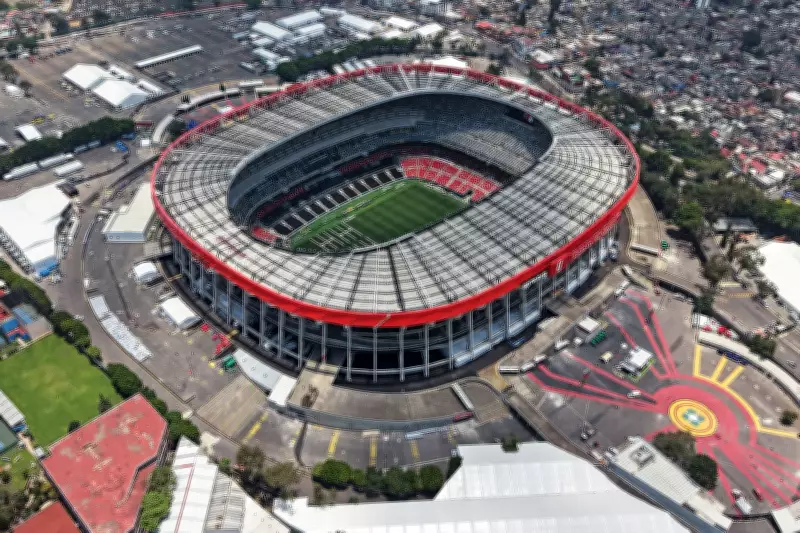
As the 2026 FIFA World Cup approaches, with Mexico set to host matches in Mexico City, Guadalajara, and Monterrey, questions about spectator safety have emerged. While Mexico's vibrant culture and passionate football fans promise an unforgettable experience, concerns over crime rates, infrastructure, and health risks warrant a closer look.
Crime and Security Concerns
Mexico has faced challenges with violent crime, including cartel-related incidents and street crime. However, security measures for the World Cup are expected to be robust, with increased police presence, surveillance, and restricted zones around stadiums. Past events like the 2010 World Cup in South Africa saw similar fears, yet most visitors experienced safe trips. Travel advisories from various governments urge caution but do not prohibit travel to host cities.
Infrastructure and Health Risks
Mexico City's high altitude (2,250 meters) can cause altitude sickness for some visitors. Additionally, air pollution and heat during summer matches may pose health risks. The stadiums, including the renovated Azteca Stadium, are modern and equipped with medical facilities. Travelers are advised to stay hydrated, use sunscreen, and acclimatize gradually.

Comparative Perspective
Compared to other recent World Cup hosts, Mexico's crime rates are higher than Russia (2018) or Qatar (2022), but similar to Brazil (2014). The Mexican government has pledged extensive security, and the tournament's international spotlight often reduces crime rates temporarily. Ultimately, the danger for most fans is low if they exercise common sense, avoid risky areas, and follow local guidance.
In conclusion, while risks exist, the World Cup in Mexico can be safe for prepared visitors. The key is staying informed and vigilant.