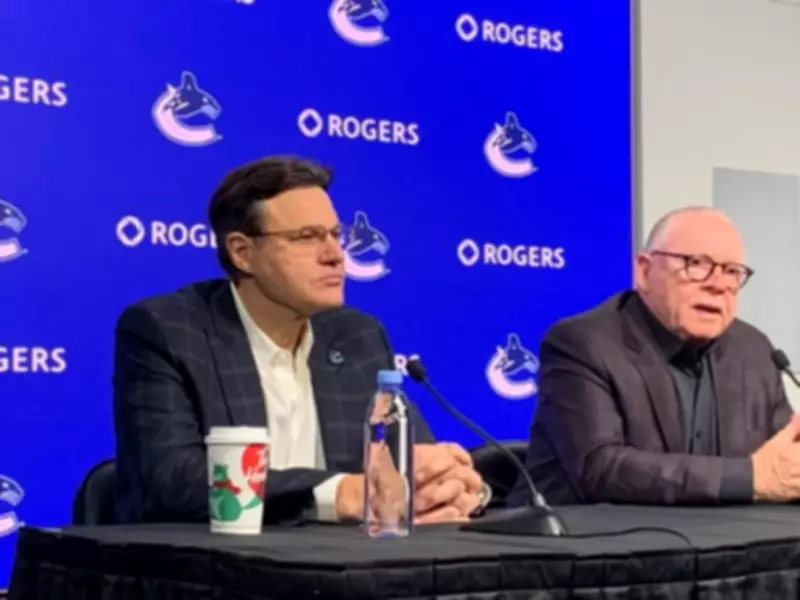
The Vancouver Canucks have long been known for their motivational marketing slogans, designed to inspire players, rally the fan base, and provide ownership with a sense of optimism. However, as the team embarks on a complex hiring process for a new president and general manager, one critical question looms for GM candidates: How long will the roster rebuild take?
The Rebuild Question
After a torturous NHL season in which the Canucks finished last, struggled on both offense and defense, set a franchise record for futility on home ice, and traded core players Quinn Hughes, Kiefer Sherwood, Conor Garland, and Tyler Myers, the team is committed to a full rebuild. A proper rebuild requires several years of prudent planning and patience, likely five seasons before the team can become a Stanley Cup contender. However, it remains uncertain whether Canucks ownership has the stomach for such a lengthy process, as losses mount, empty seats increase, and frustrated fans face ticket-price hikes.
Former Canucks general manager Patrik Allvin suggested a “retool a little bit with a hybrid form” after the Hughes trade, a comment that raised eyebrows. A hybrid approach could imply a mix of retooling and rebuilding, potentially involving trades of draft picks to accelerate competitiveness. But such a strategy contradicts the rebuild rule book, which emphasizes accumulating assets and developing young talent.

Candidates Under Consideration
Ryan Johnson, a former Canucks player and current assistant GM and GM of the AHL affiliate in Abbotsford, along with Evan Gold, have advanced to the second round of in-person interviews. Shane Doan is also considered a strong option for the president role. Additionally, New York Islanders assistant GM Ryan Bowness had a second interview, and former Ottawa Senators GM Pierre Dorion was interviewed last week. Other candidates such as Jamie Langenbrunner, Brad Pascall, Jeff Tambellini, Brent Peterson, and Kevyn Adams may also enter the mix.
Evan Gold, an assistant GM with the Boston Bruins, brings a law degree and extensive experience in salary cap analysis, contract negotiations, and roster planning. He spent eight years in hockey operations with the Washington Capitals before joining the Bruins. Jamie Langenbrunner, a two-time Stanley Cup champion with a 20-year NHL career, has been instrumental in developing the Bruins’ prospect pipeline, focusing on patient and individualized growth for players like Charlie McAvoy, Trent Frederic, and Jeremy Swayman. Langenbrunner emphasizes mental models for long-term player trajectories, avoiding short-term pressure, and building trust through collaboration.
Lessons from Other Teams
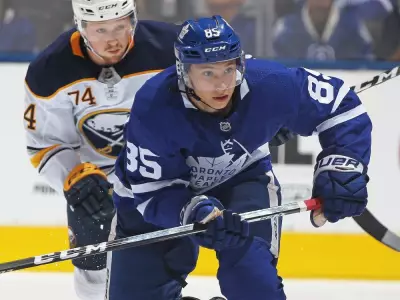
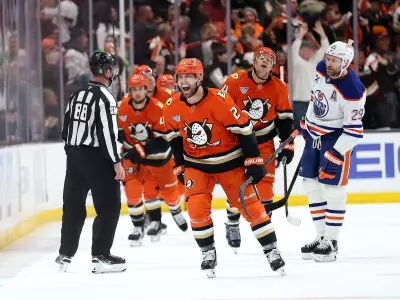
The Anaheim Ducks, who ended a seven-year playoff absence, offer a potential model for the Canucks. The Ducks maintained competitiveness by blending young players (ages 20-24) with veterans in their 30s, and they had five 20-goal scorers, including first-round picks Leo Carlsson, Cutter Gauthier, and Mason McTavish. Similarly, the Montreal Canadiens committed to a true rebuild four years ago and now boast a fast, fun, and formidable lineup. The Buffalo Sabres ended a league-record 14-season playoff drought by building around a young core with methodical moves, while the San Jose Sharks, after trading veterans for draft picks, missed the playoffs by just five points this season, nearly ending a six-year absence.
These examples underscore the importance of staying true to the rebuild process. GM candidates must answer the timeline question with conviction, avoiding the temptation to promise a shorter course to gain ownership favor. Taking over a last-place team is challenging enough without added pressure to deliver immediate results.