The Remarkable Durability of Olympic Figure Skating Costumes: Why Dry Cleaning is Their Only Weakness
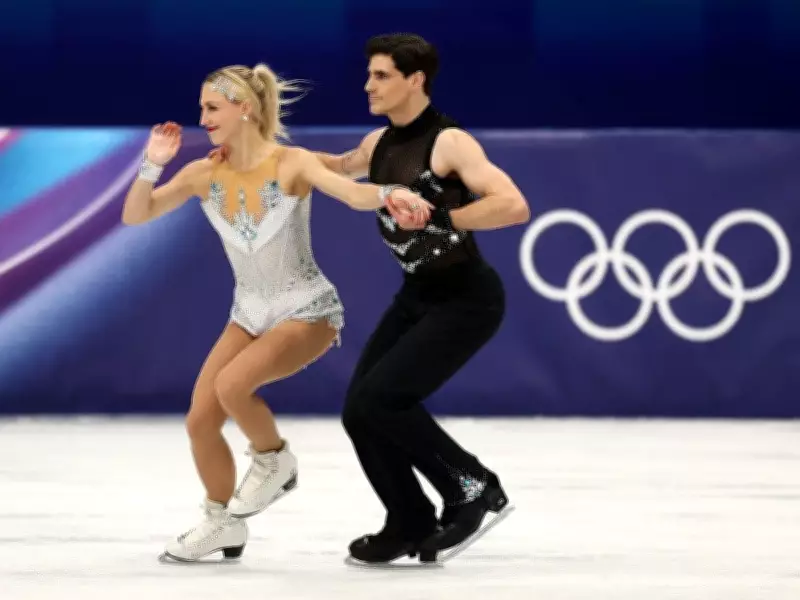
From modest beginnings at $150 to extravagant creations costing thousands, Olympic figure skating outfits represent far more than mere athletic wear. These elaborate costumes must endure the most demanding physical performances while serving a crucial artistic purpose. As Canadian figure skater Piper Gilles explains, "They're part of the story. They allow us to inhabit the characters that we want to be when we're performing."
The Evolution of Skating Costume Creation
Piper Gilles, a three-time Olympian preparing for the 2026 Milan-Cortina Games, has transitioned from designing her own costumes with her mother to working with internationally acclaimed designers Bobby and Sally Ackbarali based in Toronto. This shift reflects the growing professionalization of skating costume design, though Gilles fondly recalls her early experiences creating six or seven dresses annually with her mother, finding creative ways to manage costs while developing her artistic vision.
Designing the perfect costume on a budget remains a familiar challenge for skaters navigating their competitive journey. While outfits don't directly earn points, in a sport judged equally on aesthetic presentation and technical execution, the costume cannot be an afterthought. Designers must consider numerous elements:

- How the costume blends with the musical selection
- Whether it complements the character being portrayed
- How it enhances and moves with the skater's choreography
The Collaborative Design Process
For skaters competing at lower levels or in local competitions, costume design often becomes a family affair. Internationally renowned designer Josiane Lamond recalls sewing her own dress at age fourteen when few professional designers specialized in skating wear. "At the time there weren't many designers doing it," Lamond remembers. "It was more like a mom thing." This involved sourcing materials, experimenting with designs, and even painting the dress herself.
As skaters advance, the design process becomes increasingly collaborative. Calinda Wilson of Wendesign, an Ontario-based company specializing in custom-made and ready-to-ship figure skating apparel, notes that designers frequently consult with skaters, their parents, and sometimes coaches who have specific visions for their teams. At elite levels, choreographers become integral to the process, establishing concepts, themes, and storylines before designers translate these visions into wearable art.
The Paradox of Durability and Delicacy
Olympic figure skating costumes present a fascinating paradox: they're engineered to survive the most intense athletic performances—multiple rotations, high-impact landings, and dramatic lifts—yet they face one surprising vulnerability. The very materials and construction that provide durability and flexibility during competition make them particularly susceptible to damage from conventional dry cleaning methods.
These costumes incorporate specialized fabrics, intricate beadwork, delicate embroidery, and custom dyeing techniques that require specialized care. The elaborate embellishments that create visual impact under arena lights can become compromised by standard cleaning processes, necessitating expert conservation methods to maintain their appearance and structural integrity between performances.
As figure skating continues to evolve as both sport and art, the costumes remain essential storytelling devices. They transform athletes into characters, enhance musical interpretation, and contribute to the overall impression that judges evaluate. While these remarkable garments can withstand nearly everything the ice throws at them, their delicate construction reminds us that even the most durable athletic wear has its limitations when faced with conventional cleaning methods.