Conservative MP Takes Stand, Refuses Parliamentary Pay Increase
A Conservative Member of Parliament has made a principled decision to forgo a scheduled pay raise, declaring he cannot accept the increase "in good conscience." The announcement highlights a growing tension between parliamentary compensation and the economic realities faced by many constituents across the country.
A Matter of Principle Amid Public Scrutiny
The MP's refusal comes at a time when federal politicians' salaries and benefits are under periodic public examination. The standard pay structure for MPs includes automatic adjustments, but this parliamentarian has chosen to opt out of the upcoming increase. In a statement, the MP emphasized that personal financial gain should not come before the fiscal challenges experienced by ordinary Canadians, including rising costs of living and housing affordability issues.
The Context of Parliamentary Compensation
Members of Parliament receive a base salary which is periodically adjusted. These adjustments are often tied to broader economic indicators or the salaries of other public service groups. The decision by a sitting MP to publicly reject such an increase is relatively rare and signals a direct attempt to align personal conduct with public expectation. It raises questions about the appropriateness of automatic raises during periods of national economic strain.

This move is likely to resonate with voters who feel a disconnect between political elites and the financial struggles of everyday life. It also places subtle pressure on other parliamentarians to consider their own stance on the issue.
Broader Political and Economic Implications
The refusal is more than a symbolic gesture; it is a political statement with potential ramifications. It occurs within a landscape of intense partisan debate over government spending, taxation, and fiscal responsibility. By taking this stand, the Conservative MP is framing the issue as one of moral accountability and shared sacrifice.
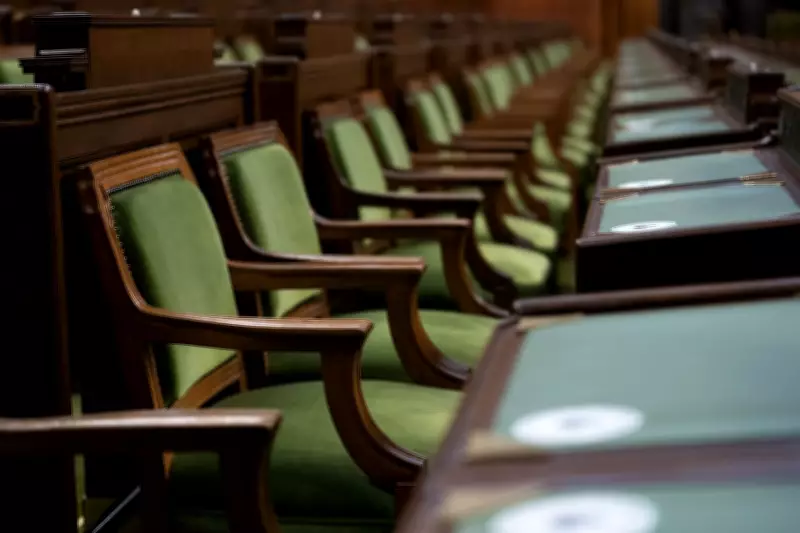
The empty chairs in the House of Commons chamber, as seen in recent imagery, may serve as a metaphor for the perceived distance between governance and the governed—a gap this MP is attempting to bridge through personal action.
While a single MP's decision does not change the overall compensation system, it contributes to an ongoing conversation about the cost of politics, transparency, and the symbolic weight of political leadership during difficult economic times. The action underscores a belief that representatives should feel the pinch of the same economic pressures they are tasked with alleviating through policy.