Ilia Malinin's Olympic Controversy: Blaming 2022 Snub, Then Crediting It
In a dramatic turn of events at the Winter Olympics, American figure skater Ilia Malinin found himself at the center of a media storm after a poor performance on Friday. The young athlete pointed to his exclusion from the 2022 Beijing Olympics team as a key factor in his struggles, only to later acknowledge that very snub as a primary source of motivation for his career.
The Hot Mic Moment That Sparked Debate
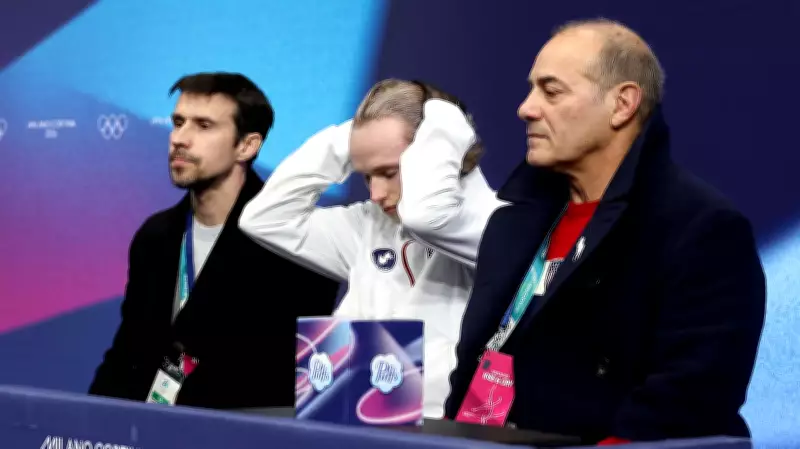
While awaiting his scores in the traditional "kiss-and-cry" area, Malinin was caught on a live microphone making a revealing comment. "Beijing, I would not have skated like that," he said, in audio picked up by USA Today. This remark immediately ignited speculation about his mindset and preparation for the current Olympic games.
NBC analyst and former Olympian Johnny Weir provided interpretation during the broadcast, suggesting Malinin was expressing that previous Olympic experience would have better prepared him for the intense pressure of the moment. The network's lead host Mike Tirico later revisited the topic with Weir in the Milan studio, further amplifying the discussion around the skater's state of mind.

Malinin's Confirmation and Contradiction
When questioned about his hot mic comment afterward, Malinin appeared to confirm the sentiment. "I think if I went to '22, then I would have had more experience and know how to handle this Olympic environment," he told USA Today. He added philosophical reflection about how different his life path might have been with that earlier Olympic opportunity.
This explanation highlighted the particular sting of his 2022 exclusion, which came despite his second-place finish at the U.S. championships just one month before the Beijing games. The selection committee's decision left many in the skating community surprised, given Malinin's strong competitive record at the time.
The Motivational Paradox Revealed
In a fascinating contradiction, Malinin had previously argued the exact opposite position in interviews before the competition. Speaking to CBS, he credited the 2022 snub with fueling his determination and technical advancement. "To be honest, I think if it wasn't for that decision, I don't think I'd be here in this moment," he revealed.
The skater elaborated that without that disappointment, he might have retired after the 2026 games rather than pushing the sport's boundaries. "I don't think I'd be landing a quad axel or trying to really revolutionize the sport of just pushing the limits of my own capabilities or the sport in general," Malinin stated, highlighting how adversity transformed into athletic innovation.
Performance Context and Personal Accountability
Malinin's Friday performance saw significant difficulties, including two falls during his free skate program. These errors caused him to plummet from first place to eighth in the standings, a devastating drop for any competitor. To his credit, the skater took full responsibility for the outcome, bluntly admitting "I blew it" when assessing his performance.
His experience echoes that of fellow American Nathan Chen, who overcame a disappointing 2018 Olympic debut to claim gold in Beijing four years later. This pattern suggests that early Olympic struggles don't necessarily preclude future success, a perspective that might offer Malinin some consolation as he processes his Milan experience.
The New York Post noted the intriguing duality in Malinin's public statements, capturing an athlete wrestling with complex emotions about past disappointments and their relationship to current performance. This psychological dimension adds depth to the typical sports narrative, revealing how elite athletes navigate both external competition and internal motivation.