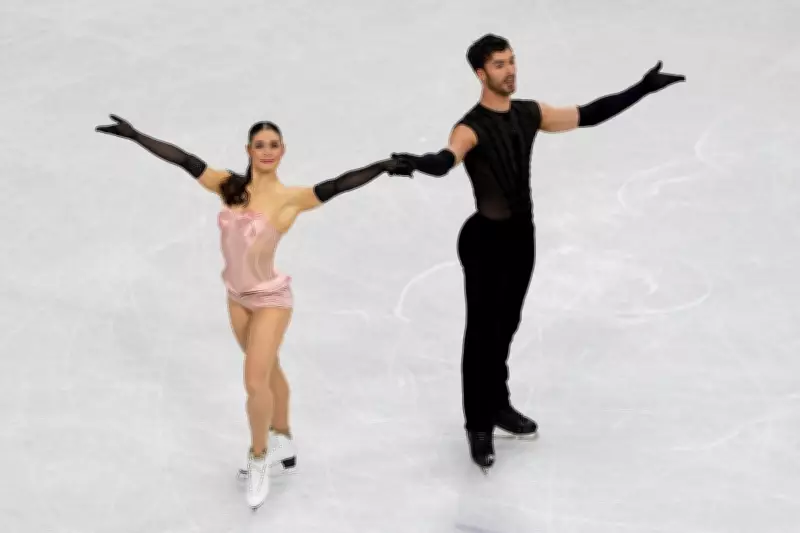
Complaint Filed Over French Ice Dancers' Remarks at 2026 Winter Olympics
In a developing story from the 2026 Winter Olympics in Milan, Italy, a complainant has raised serious concerns about comments made by French ice dancers Laurence Fournier Beaudry and Guillaume Cizeron. The individual, whose identity has not been publicly disclosed, alleges that the skaters' statements have contributed to what they describe as a dangerous environment within the competitive figure skating sphere.
Context of the Allegations
The controversy emerged on Friday, February 6, 2026, as Fournier Beaudry and Cizeron competed in the ice dance team event. While specific details of the comments in question have not been fully released, the complainant asserts that the remarks, made in the high-pressure Olympic setting, could potentially undermine sportsmanship and create an atmosphere of tension or hostility. This incident highlights the intense scrutiny and emotional stakes involved in elite international competitions, where athletes' words can carry significant weight beyond the ice rink.
Impact on the Olympic Atmosphere
Figure skating, particularly ice dance, is renowned for its artistry and technical precision, but it is also a sport where interpersonal dynamics and public perceptions play a crucial role. The complainant's warning suggests that such comments might not only affect the athletes directly involved but could also influence the broader Olympic community, including fellow competitors, officials, and fans. In an event like the Winter Olympics, which draws global attention, maintaining a respectful and safe environment is paramount to upholding the spirit of the Games.

Broader Implications for Sports Ethics
This situation raises important questions about the responsibilities of athletes as public figures during major sporting events. While competitive banter and psychological tactics are not uncommon in sports, the line between acceptable rivalry and harmful behavior can be thin. The complaint underscores the need for ongoing dialogue about ethical conduct and communication in high-stakes athletic environments. It also reflects a growing awareness of how verbal exchanges can impact mental well-being and fair play, topics that have gained prominence in recent years across various sports disciplines.
As the 2026 Winter Olympics continue, it remains to be seen how this complaint will be addressed by relevant sports authorities. The focus will likely be on ensuring that all participants can compete in a setting that prioritizes safety, respect, and the core values of the Olympic movement. This incident serves as a reminder of the complex interplay between athletic performance, media scrutiny, and social dynamics in the world of international sports.