Olympic Gold Medalist Amber Glenn Declines White House Invitation
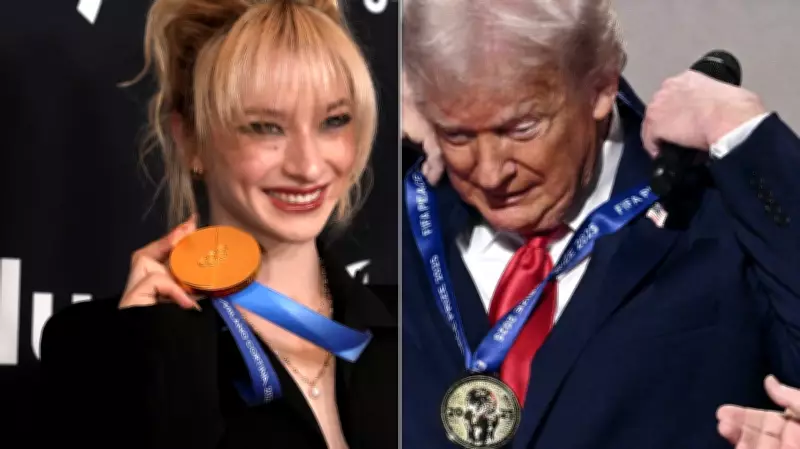
U.S. Winter Olympic champion Amber Glenn has announced she will not be attending a White House celebration with President Donald Trump, following the recent controversy involving the champion U.S. women's ice hockey team. Glenn, who won gold in the team event at the Milan Cortina 2026 Winter Olympics, stated her decision publicly at the GLAAD Media Awards in Los Angeles on Thursday.
Echoing the Stance of Fellow Athletes
Glenn's refusal mirrors the action taken by the U.S. women's ice hockey team, which declined an invitation after Trump made disparaging remarks about them. "I'm electing not to either, so I do not blame them whatsoever," Glenn told Us Weekly. She emphasized the importance of personal choice, adding, "It is our right to be able to choose what we do and don't endorse, and I think it is a decision that each individual has the right to make."
Criticism of Trump's LGBTQ+ Record
During a press conference, Glenn, who made history as the first openly queer woman to represent the U.S. in Olympic figure skating, criticized Trump's treatment of the LGBTQ+ community. She described it as "a hard time" for many Americans, highlighting the ongoing challenges faced by marginalized groups under his administration.

Backlash and Threats Following Her Comments
The athlete, who identifies as pansexual and bisexual, later revealed on social media that she received a "scary amount of hate/threats" after speaking out. In an online post, she wrote, "When I chose to utilize one of the amazing things about the United States of America (Freedom of speech) to convey how I feel as an athlete competing for Team USA in a troubling time for many Americans I am now receiving a scary amount of hate/threats for simply using my voice WHEN ASKED about how I feel." This backlash underscores the intense polarization surrounding political discourse in sports.
Broader Implications for Athlete Activism
Glenn's decision adds to a growing trend of athletes using their platforms to express political and social views, often at personal risk. Her stance raises questions about the role of sports figures in endorsing political leaders and the pressures they face in navigating public opinion. As debates over freedom of speech and athlete activism continue, Glenn's experience serves as a poignant example of the complexities involved in balancing national representation with personal convictions.