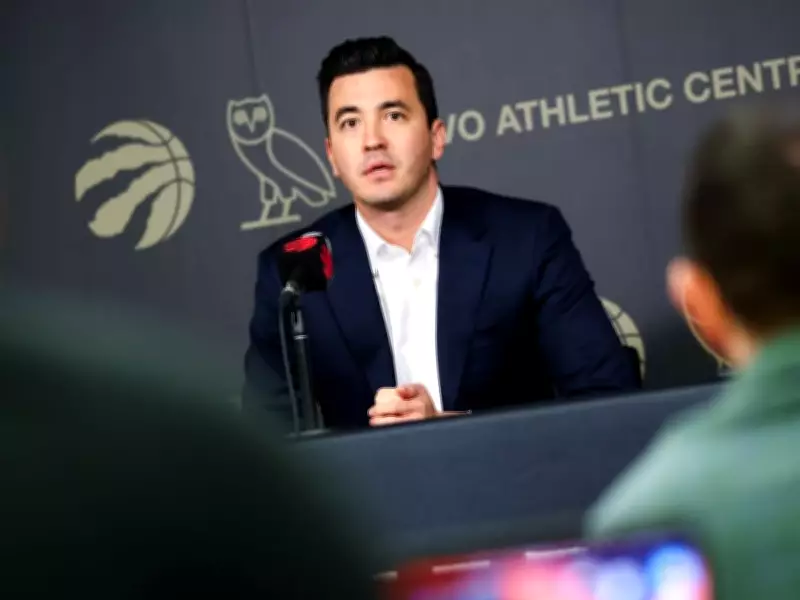
Toronto Raptors general manager Bobby Webster is not one to make bold, headline-drawing statements. His approach is more pragmatic, patient, and even-keeled. So it was no surprise to see the team boss officially wrap up the 2025-26 Raptors season with a flurry of measured takes on Wednesday afternoon.
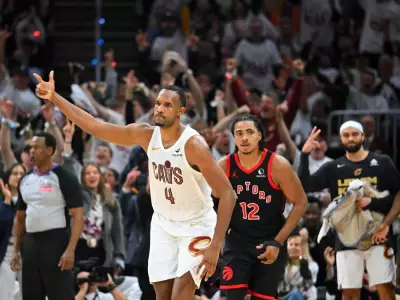
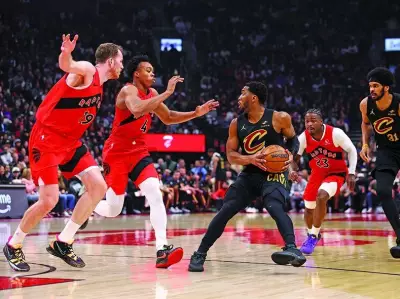
“It was a step in the right direction — It doesn't mean the next step or the next steps aren't going to be even harder,” Webster said of winning 46 games, ending a three-year playoff drought, and taking the heavily favoured Cleveland Cavaliers to seven games. “Both things can be true: You can be proud of what you did but also have a hunger and grit this summer to advance beyond that or do more than you did this year,” he said.
Building Around Barnes and Murray-Boyles
Webster, who just completed his first year in charge after working behind Masai Ujiri for more than a decade, lauded the play of Scottie Barnes — who became an all-NBA level talent this season whether he makes that cut or not — and talked of how beneficial it should be for so many young players to get thrown into the playoff fire. “We were the youngest team in the playoffs this season. That sort of speaks to the growth and where the trajectory of this group can go. We're excited about it. We're also not gonna say, 'Oh, wow, those seven games spoke volumes about the next three or four years,'” Webster said.

He made it clear that Barnes and fellow multi-talented, defensively elite big man Collin Murray-Boyles would be built around. “Clearly, the defensive ability of those two is special, whether it's switching or them being disruptive and guarding multiple positions,” Webster said. “What do you surround them with? You could surround them with more defence. You could put more elite defenders with them and figure out the offensive end. But I think we're going to focus on the strength of those two, which is a defensive pairing, and maybe making the (NBA's fifth-best defence) an even better defence.”
Financial Constraints and Luxury Tax Considerations
The Raptors won't have a lot of immediate wiggle room to improve, barring moves like salary-dumping Gradey Dick or paying a draft pick premium to unload Jakob Poeltl (who Webster defended while also noting the team will look to have a big summer to come back much better next year). Right now the Raptors don't project to be much below the NBA's luxury-tax line. It's estimated the incoming 19th-overall selection of June's draft will earn roughly $4 million in his first season. That would leave the Raptors less than $7 million below the tax, assuming Sandro Mamukelashvili opts out of his player option — which is a near certainty since he'll make more either from the Raptors or another team thanks to a strong season.
If he theoretically doubled his salary plus a bit to get to $6 million and came back, the Raptors would have only 14 players signed and basically no money left over to complete the roster and sign two young two-way players. (Not picking up team options on Trayce Jackson-Davis and/or Jonathan Mogbo wouldn't make much of a difference because they'd be replaced with similarly salaried players).
Asked by the Toronto Sun if ownership would pay the tax or wait until the team is closer to contention, as has been in the case in the past, Webster said the latter. “I think it's been the same (most years), right? I mean, we timed it perfect when we won the title that we went into the tax (only the second time in franchise history it had happened),” Webster said. “But I think there's always been that notion, which is, 'when the time is right, come ask and we'll deliver.' And so I think going into this season, this might not be the championship contending team, and so we held off (making deals at February's trade deadline to get below the luxury tax). Going forward, I think it'll be a bit more on, how does this grow? How does this group grow? But also what moves we make over the summer, but we have full support, and, whenever the time is right, we'll be ready.”
It should also be noted that Rogers is expected to take full ownership of the Raptors and other MLSE properties later this summer, which may or may not change the equation.

Patience and Long-Term Vision
Webster alluded to having the flexibility to make a major splash down the line. There won't be any luxury-tax concerns in a couple of years without prior big additions and Toronto is one of the few franchises that owns and controls all of its future first-round picks, which could be used to lure a big fish from another team at some point.
“I think we've been through this enough that there's a lot more iterations to go, right? And I think you're going to — as much as this sort of playoff loss stung, right? We had a lot of stings in the past, and so I don't get too caught up on what does the team look like a year from now or two years from now,” Webster said. “We incrementally get better. We need to sort of win all of our trades, we need to pick the right player. I think maybe getting caught up in what that final team isn't super helpful. Do you let it organically grow? Did you see enough this year that this group can continue? … When do you start to cash in your chips? And so the question will be is, when does those opportunities come around, where the price is right, and it also fits from a basketball standpoint, but also culturally.”
That probably won't be anytime soon. Expect a quiet off-season with only slight tweaks by Webster and his front office. The real work likely comes later.