Younger Quebecers Defy Secularism Trend with Religious Revival
In a development that contradicts long-standing secular trends, younger generations in Quebec are showing increased religious commitment, according to recent polling data and church statistics. This shift comes as the province implements stricter secularism laws, creating a complex social landscape where personal faith and public policy increasingly collide.
Polling Reveals Unexpected Generational Shift
The Angus Reid Institute conducted a poll in November that revealed a surprising trend: Canadians aged 18 to 34 demonstrate higher levels of religious commitment than their elders. This represents a significant reversal of traditional patterns where younger generations typically show less religious engagement than previous ones.
While not constituting a mass movement, this religious resurgence is particularly notable in Quebec, historically considered Canada's most secular province. The trend emerges from what was previously a period of minimal religious participation, suggesting a meaningful cultural shift rather than a temporary fluctuation.

Statistical Evidence of Religious Renewal
Church baptism statistics provide concrete evidence of this religious revival. According to reports from the Journal de Montréal, the Quebec City archdiocese recorded just seven new adherents baptized during Easter weekend in 2001. By 2025, that number had increased dramatically to 104 baptisms.
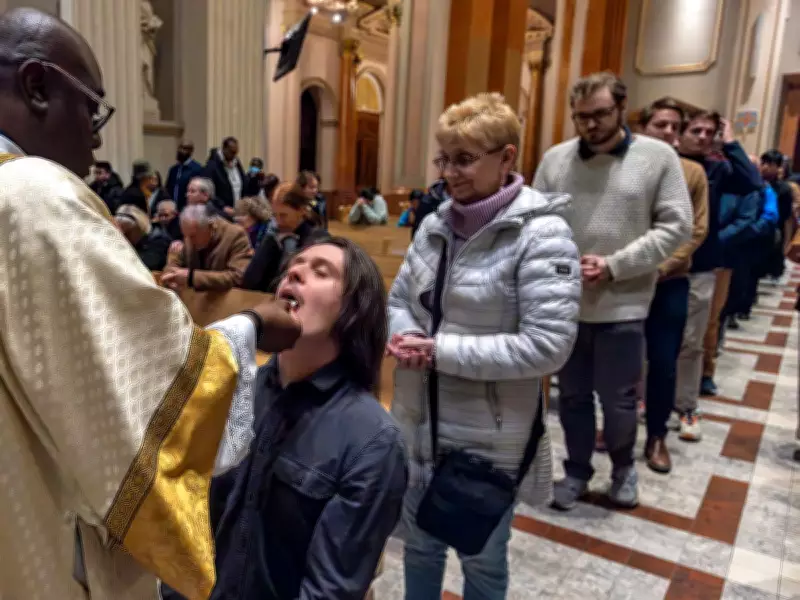
Similarly, the Montreal archdiocese witnessed 225 baptisms in 2025, more than doubling the 110 recorded in 2019. Religious institutions are actively adapting to this changing demographic by tailoring services to younger parishioners and utilizing social media platforms to disseminate sermons and connect with new audiences.
Pandemic's Lasting Impact on Social Fabric
Many observers attribute this religious resurgence, which extends beyond Canada's borders, to the lingering effects of the COVID-19 pandemic. The global health crisis created unprecedented social disruption, severing relationships, devastating businesses, disrupting children's education and development, and claiming over 52,000 Canadian lives.
Religion appears to be providing stability, community, and emotional support during this period of social recovery. The pandemic exposed significant social fractures that have yet to be fully addressed, with many Canadians seeking meaning and connection in traditional institutions during uncertain times.
Legislative Response Creates Tension
This religious revival coincides with Quebec's ongoing secularism initiatives, most notably Bill 9, which was passed just before Easter. The legislation prohibits public collective prayer or religious demonstrations without municipal permits, specifically targeting Muslim groups who have conducted prayers in public spaces like Montreal's Notre-Dame Basilica.
Quebec Secularism Minister Jean-François Roberge justified the legislation by citing concerns about public space usage, stating in November that it was "shocking to see people blocking traffic, taking over public space without a permit, without warning, and then turning our streets, parks and public squares into places of worship."
Broader Implications for Religious Expression
The legislation raises concerns about its potential impact on all religious communities, not just those whose members have engaged in disruptive protests. According to the 2021 Census, 73 percent of Quebecers identify as religious adherents, with Catholicism remaining the majority affiliation despite declining regular attendance.
Traditional religious events now face uncertainty under the new law. Montreal's annual Way of the Cross procession, which commemorates Jesus's journey to crucifixion, received what Roberge termed a "very rare exception" for Good Friday 2025, but future permits remain uncertain. This creates potential conflicts about preferential treatment for historically dominant religions in a province officially committed to secularism.
The simultaneous rise in religious engagement among younger Quebecers and increased restrictions on public religious expression creates a paradoxical situation that will likely shape the province's social and political landscape for years to come.