Forensic Pathologist Provides Key Testimony in High-Profile Murder Trial
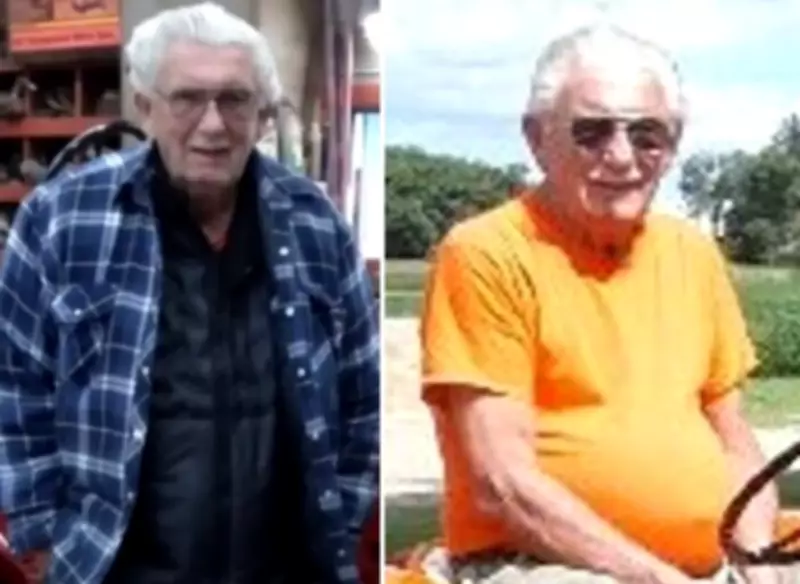
A forensic pathologist took the stand on Thursday, April 10, 2026, delivering critical evidence at the second-degree murder trial of Elfgard Oughtred. The testimony, which began at 6:35 PM EDT, focused on medical findings related to the death of Gordon Oughtred, whose undated photos were released by the Ontario Provincial Police as part of the investigation.
Juror Dismissal Adds Complexity to Proceedings
In a parallel development, a juror was dismissed from the trial earlier in the day, though specific reasons for the dismissal were not immediately disclosed by the court. This unexpected change introduces additional procedural considerations as the trial progresses through its evidentiary phase.
The forensic pathologist's analysis is expected to play a pivotal role in establishing the circumstances surrounding Gordon Oughtred's death. Such expert testimony typically covers autopsy results, injury patterns, and potential causes of death, all of which are fundamental to the prosecution's case against Elfgard Oughtred.

Context of the Case and Broader Legal Landscape
This trial occurs amidst other significant legal developments across Canada, including a Saskatchewan court upholding a stay of proceedings against a THC-impaired driver who killed a child, and a Nova Scotia man convicted of murder seeking court approval for the return of personal items. These cases highlight the diverse challenges within the Canadian justice system.
The testimony from the forensic pathologist represents a crucial juncture in the trial, as scientific evidence often carries substantial weight with juries in murder cases. Legal observers note that such expert witnesses can make or break a prosecution's narrative, particularly when circumstantial evidence requires medical corroboration.
As the trial continues, both the defense and prosecution will likely scrutinize the pathologist's findings during cross-examination. The outcome of this case could have implications for how forensic evidence is presented in similar proceedings across Ontario and beyond.