Eby's High-Stakes Gamble on Indigenous Legislation Puts BC Government in Peril
VICTORIA — Premier David Eby's government faces potential collapse after a series of miscalculations regarding British Columbia's Declaration on the Rights of Indigenous Peoples Act (DRIPA), with his latest strategic error threatening to trigger an early election.
From Non-Negotiable to Suspension
Just last week, Premier Eby declared his proposed amendments to DRIPA were "non-negotiable" and essential for preventing further court challenges to provincial laws. However, within twenty-four hours, he reversed course completely in response to overwhelming opposition from Indigenous leaders across the province.
Instead of pushing through controversial amendments, Eby proposed a three-year suspension of specific sections of the Act while the province and First Nations collaborate on addressing government concerns about judicial interventions. "What I've proposed to the chiefs is let's use this pause to sit down, review the Declaration Act — what's working for us and what isn't — and ensure that it's achieving the goals that we both have," Eby explained during an April 2 interview with CKNW's Jas Johal.

A Dangerous Confidence Measure
The premier then escalated the political stakes dramatically by announcing the suspension legislation would be introduced as a "confidence measure," meaning its failure to pass would force the government's defeat and trigger an immediate election. Eby insisted the bill must pass before the scheduled adjournment of the legislative assembly at the end of May, creating an artificial deadline that has intensified political tensions.
This week, however, evidence mounted that Indigenous leaders oppose suspending DRIPA as vehemently as they opposed amending it. When questioned about whether he had sufficient votes to ensure passage, Eby responded with apparent certainty: "I very firmly believe that we have the votes necessary to pass the legislation that puts these sections on hold."
Cracks in Caucus Unity
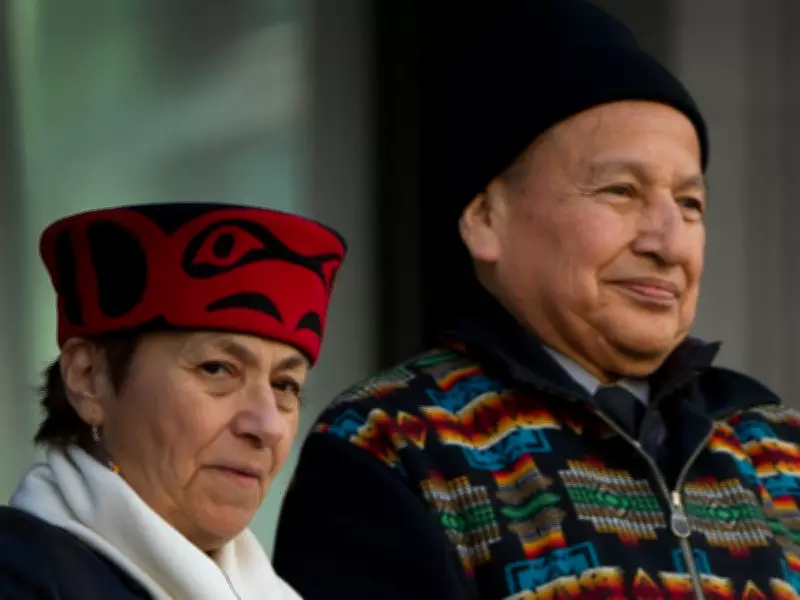
The premier's confidence faced its most significant challenge regarding Vancouver-Strathcona MLA Joan Phillip, one of three Indigenous members of the NDP caucus and wife of Grand Chief Stewart Phillip of the Union of B.C. Indian Chiefs. Grand Chief Phillip has been a vocal critic of any attempts to "water down" the Indigenous rights legislation.
Eby initially expressed confidence that Phillip would support the government position, stating, "Our caucus is strong and united. I respect Joan and all of our Indigenous members so much. I know that this is incredibly challenging for them personally. This is crucially important work we're doing with First Nations partners."
Public Opposition Intensifies
On Friday, the political situation deteriorated further as First Nations leaders gathered at a Vancouver news conference to publicly denounce the suspension plan. Grand Chief Stewart Phillip delivered a scathing assessment, declaring, "The problem is the premier himself — a colossal problem."
More damaging to the government's prospects, the Grand Chief then revealed his wife's position on the matter, stating, "She does not support the suspension. She does not support any tinkering or meddling with DRIPA." This disclosure directly contradicted the premier's assertions of caucus unity and placed Joan Phillip's potential vote in serious doubt.
Political Calculations Gone Awry
Eby's decision to frame the DRIPA suspension as a confidence vote now appears to be a significant miscalculation. What began as an attempt to address legal concerns about the legislation has evolved into a political crisis that threatens the government's survival. The premier's shifting positions — from non-negotiable amendments to suspension to confidence measure — have created confusion and eroded trust among Indigenous partners while testing the loyalty of his own caucus members.
With Indigenous leaders united in opposition and potential dissent within the NDP ranks, the premier faces the very real possibility of losing the confidence vote he himself created. This would force British Columbia into an unexpected election campaign, with Indigenous rights and government competence likely dominating the political discourse.

The coming weeks will determine whether Eby can salvage his legislative agenda or whether his high-stakes gamble on DRIPA will result in the collapse of his government.