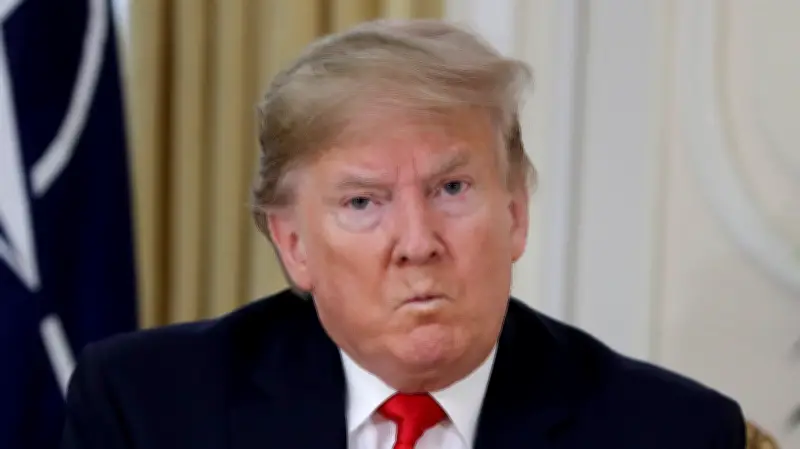
Trump's Iran War: A Campaign of Unfulfilled Promises
On February 28, shortly after the U.S. and Israel launched an extensive bombing campaign against Iran, President Donald Trump appeared in a prerecorded video to announce that a “major combat operation” had begun. “The hour of your freedom is at hand,” Trump told the “great, proud people of Iran” in the address. “When we are finished, take over your government. It will be yours to take.”
Just four days later, the White House quietly dropped any mention of liberating the Iranian people from its list of stated objectives. Instead, White House press secretary Karoline Leavitt outlined a new set of goals: destroy Iran’s ballistic missiles and their manufacturing capacity, “annihilate” Iran’s navy, destroy Iran’s ability to fund and arm terrorist proxies, and guarantee Iran can never obtain a nuclear weapon. Based on reports of the memorandum of understanding between the U.S. and Iran, it is clear: the U.S. has not accomplished any of those things.
Nuclear Backfire
Trump’s oft-repeated main objective—preventing Iran from developing a nuclear weapon—appears to have backfired. “The only thing that matters when I’m talking about Iran, they can’t have a nuclear weapon,” he said last month, dismissing other concerns. Yet an internal International Atomic Energy Agency (IAEA) report determined that Iran is more likely to covertly pursue nuclear weapons now than before the strikes. Prior to the bombing, IAEA inspectors reviewed Iran’s enriched uranium stockpiles weekly, but that has ceased. The IAEA can no longer “draw any conclusion regarding this nuclear material,” the report found, noting that Iran now possesses half a ton of highly enriched uranium, compared to zero under the Obama-era nuclear deal.

Trump’s new deal with Iran does not resolve the issue, giving both sides an additional 60 days to negotiate while maintaining the status quo. The memorandum states that “the fate of enriched material and the fate of all other mutually agreed nuclear-related issues … will be adequately addressed in a final agreement.”
Strait of Hormuz Leverage
Iran’s navy is battered, but the strikes showed Tehran the potency of controlling the Strait of Hormuz. “Far from crumbling, the regime has come out of this stronger because they’ve discovered the potency of the Strait of Hormuz weapon,” said BBC’s Jeremy Bowen. Closing the strait caused global economic chaos, cutting off fertilizers, oil, and gas. The World Bank called it “the biggest supply shock in 50 years,” leading to the worst global growth since the COVID-19 pandemic. Trump blamed allies, complaining on social media that they should “fight for yourself.”
Missile and Military Rebuilding
Intelligence assessments show Iran has rapidly rebuilt its military capabilities. Around half of Iran’s drones and two-thirds of its missile launchers remain intact, with support from China and Russia enabling continued production. Meanwhile, U.S. and Israeli munitions stockpiles are critically low. The Center for Strategic and International Studies estimates it will take until 2030 to replace Tomahawk missiles and until 2029 to restock THAAD and Patriot systems. This has forced a pause on U.S. weapons sales to Taiwan and left Ukraine developing its own alternatives.
Iran’s Proxies Persist
Iran is now more conservative and militant than before the war. The Houthis, Hezbollah, and Hamas remain active, despite Trump’s claims of annihilation. Esmail Qaani, commander of Iran’s Quds Force, reaffirmed support for these groups on state TV, stating that Hamas would soon rebuild. The war has left an estimated 73,000 Palestinians dead in Gaza, according to the Health Ministry.