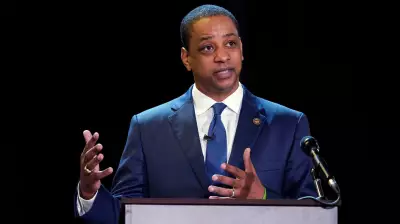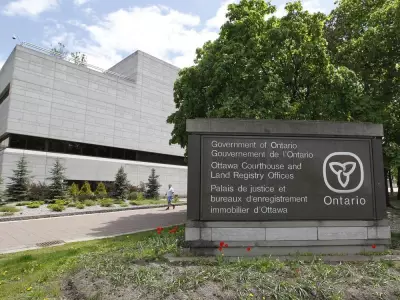
In a controversial move that has ignited discussions on political accountability, Toronto Councillor Chris Moise is formally asking the city to cover his legal fees after being found in violation of the municipal code of conduct. This request comes amidst a backdrop of ongoing scrutiny over the use of public funds for personal legal defenses, raising questions about the implications for governance and taxpayer resources.
Details of the Code of Conduct Violation
Councillor Moise, who represents a ward in Toronto, was recently adjudicated to have breached the city's established code of conduct, though specific details of the infraction have not been fully disclosed to the public. The code, designed to uphold ethical standards among elected officials, includes provisions related to conflicts of interest, transparency, and professional behavior. Moise's violation has prompted an internal review, with the councillor now seeking financial assistance from the city to offset the costs associated with his legal representation during the proceedings.
Request for Legal Fee Coverage
The request for the city to cover Moise's legal fees is based on arguments that the expenses were incurred in the course of his official duties and that such support is necessary to ensure fair representation. However, critics argue that this sets a problematic precedent, potentially encouraging misconduct by shielding politicians from the financial consequences of their actions. The city's policies on legal fee reimbursement for councillors are under examination, with some advocating for stricter guidelines to prevent abuse of public funds.

Public and Political Reactions
Reactions to Moise's request have been mixed, with some community members expressing outrage over what they perceive as a misuse of taxpayer money. "It's unacceptable for a councillor who broke the rules to then ask us to pay for it," said a local resident, echoing sentiments shared by many. On the political front, other councillors have called for a transparent review of the case, emphasizing the need to balance support for colleagues with accountability to constituents. This incident has also sparked broader conversations about reforming the code of conduct enforcement mechanisms to include clearer penalties and funding restrictions.
Broader Implications for Municipal Governance
This situation highlights ongoing challenges in municipal politics regarding ethics and financial responsibility. As cities like Toronto grapple with budget constraints and public trust issues, cases like Moise's underscore the importance of robust oversight. Experts suggest that without clear policies, similar requests could become more common, eroding confidence in local government. The outcome of this request may influence future decisions on legal fee coverage for elected officials across Canada, setting a benchmark for how such matters are handled in other jurisdictions.
In summary, Councillor Chris Moise's bid to have Toronto cover his legal fees after a code of conduct violation is stirring significant debate. As the city deliberates on this request, it faces critical questions about accountability, the use of public funds, and the integrity of its political processes. The resolution of this case will likely have lasting effects on municipal governance standards and public perception.