Uncertainty Surrounds 'Strong Mayor' Veto Authority Despite Provincial Police Budget Clarification
Significant questions remain about the scope and application of "strong mayor" veto powers in Ontario municipalities, even as the provincial government has made efforts to clarify authority over police budgets. The ongoing ambiguity creates uncertainty for municipal leaders and governance structures across the province.
Provincial Attempts to Define Police Budget Authority
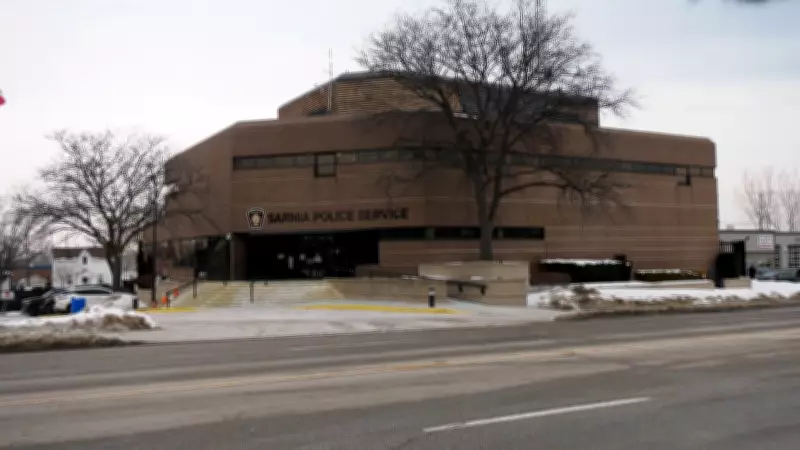
The Ontario government has recently taken steps to clarify municipal authority regarding police service budgets, attempting to delineate where mayoral veto powers apply and where they do not. This clarification comes amid broader questions about how "strong mayor" powers—granted to certain municipalities under provincial legislation—interact with existing governance frameworks.
Despite these efforts, municipal officials and governance experts report that fundamental questions about veto authority remain unresolved. The relationship between mayoral powers and police service boards, which operate with considerable autonomy in many municipalities, continues to be a particular point of contention and confusion.

Broader Implications for Municipal Governance
The uncertainty extends beyond police budgets to touch on numerous aspects of municipal decision-making. Questions persist about how mayoral veto powers interact with council decisions on matters ranging from infrastructure projects to social services funding. This creates potential for governance conflicts and administrative delays as municipalities navigate these unclear boundaries.
Several municipalities have reported challenges in implementing the "strong mayor" framework consistently, with different interpretations emerging across the province. This inconsistency raises concerns about equitable application of provincial policies and the potential for legal challenges as municipalities test the limits of these powers.
Historical Context and Future Considerations
The "strong mayor" system represents a significant shift in Ontario's municipal governance tradition, which has historically emphasized council-led decision-making. The provincial government introduced these powers with the stated goal of accelerating housing development and infrastructure projects, but the implementation has revealed complexities not fully addressed in initial legislation.
As municipalities continue to adapt to this new governance model, several key questions remain unanswered:
- How do mayoral veto powers interact with existing provincial legislation governing specific municipal functions?
- What recourse exists for municipal councils when mayors exercise veto authority?
- How will these powers affect long-term municipal planning and budgeting processes?
- What mechanisms exist for resolving disputes between mayors and councils regarding the scope of veto authority?
The provincial clarification on police budgets represents only one piece of a much larger governance puzzle. Municipal leaders across Ontario continue to seek clearer guidance on how to implement these powers effectively while maintaining functional governance structures and respecting established decision-making processes.