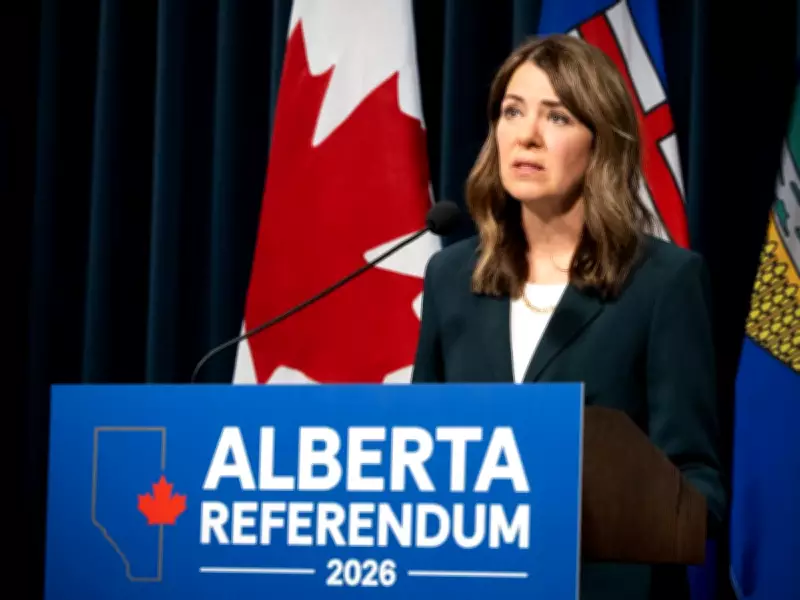
Alberta Premier Danielle Smith has long embodied a political paradox, one that was once famously associated with Canada's Progressive Conservatives: moving forward while standing firmly by the tried and true. Smith, who began her political career as a Progressive Conservative before switching parties multiple times, now leads the United Conservatives—a party that is anything but united on the question of separation from Canada.
A Party Divided on Separation
The United Conservative Party (UCP) is split between those who want to leave Canada and those who wish to remain. Smith has attempted to straddle both sides, stating her preference to stay within Canada while actively promoting the interests of separatists. She argues that Albertans deserve to have their voices heard, despite polls showing that seven in ten Albertans oppose separation and see no need for a referendum. Indigenous groups, who staunchly oppose her drive, are also being sidelined.
Smith's Political History of Self-Preservation
Smith's career has been marked by a pattern of defection and ambition. She started with the PCs, moved to the Wildrose Party, then abandoned it to rejoin the PCs—taking eight other Wildrose members with her. This move was described by political commentator Derek Fildebrandt as "the most appalling and treacherous move in the history of Canadian politics." She later joined Jason Kenney's UCP and sought his job after he was ousted. This history suggests a craving to be on the winning team, regardless of principles.

Playing Both Sides of the Separatist Coin
Smith's approach to the separatist issue reflects her career-long concern with self-preservation. She hopes to have a place in whichever side emerges victorious. Critics argue that this makes her untrustworthy. The separatist faction within the UCP draws inspiration from MAGA-style politics, embracing "alternative facts" and a leader who recently expressed fear that King Charles III might seek his assassination.
A Missed Opportunity for Federalism
When a court recently ruled against a separatist referendum, Smith had an opportunity to champion federalism. Instead, she announced she would appeal the ruling on behalf of separatists. This decision, even by Canadian standards of do-gooderhood, defies sound judgment. In a further twist, Smith declared that if separatists couldn't hold their own referendum, she would hold one for them.
Smith's actions have drawn widespread criticism, with many accusing her of undermining national unity for political gain. As Canada watches, the question remains: which side will Smith ultimately choose?