Saskatchewan Premier Scott Moe Distances Himself from Mark Carney's 'New World Order' China Remarks
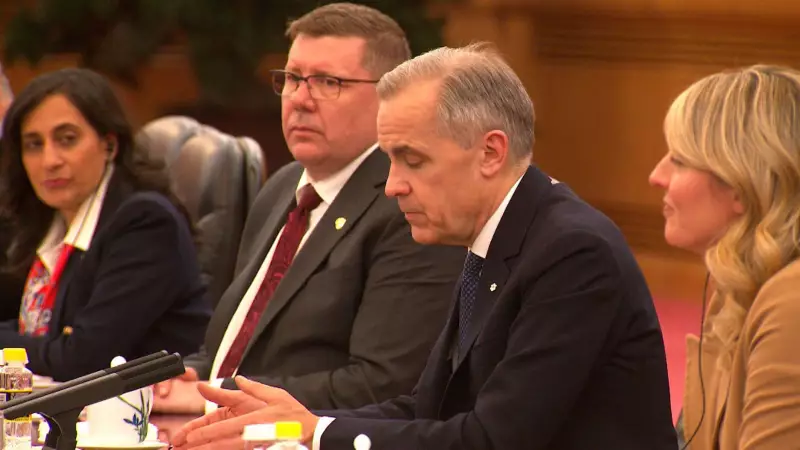
Saskatchewan Premier Scott Moe has publicly expressed his disagreement with a recent comment made by former Bank of Canada governor Mark Carney regarding a "new world order" in China. In a statement that highlights the ongoing political discourse surrounding international relations, Moe indicated that he would not personally use such terminology, suggesting a more cautious approach to diplomatic language.
Political Reactions and Broader Context
The remark from Carney, which has sparked debate among political figures, comes at a time of heightened tensions in global affairs, particularly concerning trade agreements like CUSMA. While some leaders, including Ford and the premier of New Brunswick, have backed Carney's assertion that the current U.S. relationship is "nothing normal," Moe's stance adds a nuanced perspective to the conversation. This divergence of opinions underscores the complex dynamics at play in Canadian foreign policy and economic strategy.
Implications for Saskatchewan and Beyond
As a prominent figure in provincial politics, Moe's comments may influence public perception and policy discussions within Saskatchewan and across Canada. His reluctance to endorse the "new world order" phrase could reflect a broader sentiment of skepticism or a desire for more measured rhetoric in international dealings. This development occurs alongside other significant news, such as federal government actions on public service cuts and provincial issues like Alberta's population growth projections, which collectively shape the national political landscape.

Looking Ahead
The ongoing dialogue around Carney's statement and Moe's response is likely to continue as leaders navigate the challenges of global economic shifts and diplomatic relations. It serves as a reminder of the importance of careful communication in politics, especially when addressing sensitive topics like China and international order. As events unfold, observers will be watching how such statements impact policy decisions and public discourse in the coming months.