Regina to Lobby Province for Enhanced Funding to Mitigate Future Tax Increases
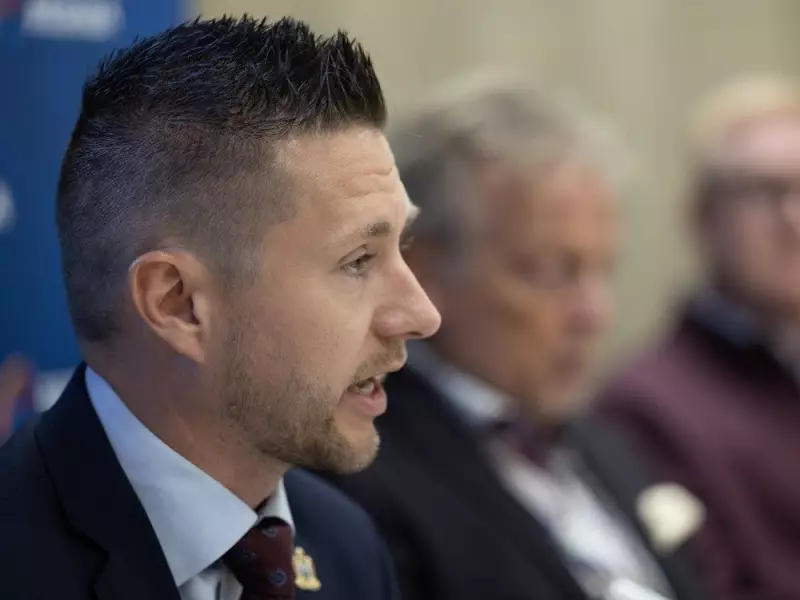
In the wake of implementing its largest tax increase in history, the City of Regina is actively pursuing provincial assistance to manage escalating costs without imposing additional financial burdens on its residents. The city council convened virtually for a special meeting where Mayor Chad Bachynski introduced a motion aimed at securing more revenue streams beyond property taxes.
Unanimous Council Support for Provincial Advocacy
The council voted unanimously to present a resolution to the Saskatchewan Urban Municipalities Association (SUMA) during its annual convention scheduled for April 12-15 in Regina. This resolution seeks to engage the provincial government in discussions about providing municipalities with enhanced financial tools and resources.
Mayor Bachynski emphasized the critical nature of this initiative, stating, "I think this is a step that Regina, as the capital city, can really take the lead on." He further explained, "The current tools that we have available to us are, frankly, outdated and not compensating or helping municipalities get to where they need to be in terms of infrastructure investment to keep our cities growing and thriving."

Historic Tax Increase as a Catalyst for Change
The mayor identified the historic 10.9 percent mill rate increase facing Regina taxpayers in 2026 as a "major catalyst" for this motion. Bachynski argued that relying predominantly on property taxes is "not a sustainable model as the capital city of Saskatchewan."
While the $361 million provided through Saskatchewan's Municipal Revenue Sharing program offers significant support, Bachynski contends that additional funding is essential to address the city's growing infrastructure and operational needs.
Specific Requests in Regina's Resolution
Regina's resolution outlines several specific requests for SUMA to discuss with the provincial government:
- Reinstatement of previous grants and exemptions that were eliminated in 2017
- Exploration of alternative revenue sources such as a hotel tax or revitalization levy
- Exemption of cities from provincial sales tax (PST) on construction projects
- Return to provincial collection of education property taxes or restoration of the $2-million grant to cover municipal collection costs
One significant component involves the municipal surcharge on electricity, where Regina previously received a grant-in-lieu averaging $10 million to $12 million annually as part of a non-compete agreement with SaskPower.
Potential Financial Impact of Proposed Changes
According to Regina's chief financial officer Daren Anderson, collectively reinstating these grants could provide the city with up to $24 million annually, plus additional savings on construction taxes. This substantial financial relief would help alleviate pressure on property taxpayers while enabling continued investment in essential municipal services and infrastructure.
The resolution represents a strategic effort by Regina's leadership to address long-term fiscal challenges through collaborative provincial-municipal partnerships rather than continued reliance on property tax increases that burden residents.