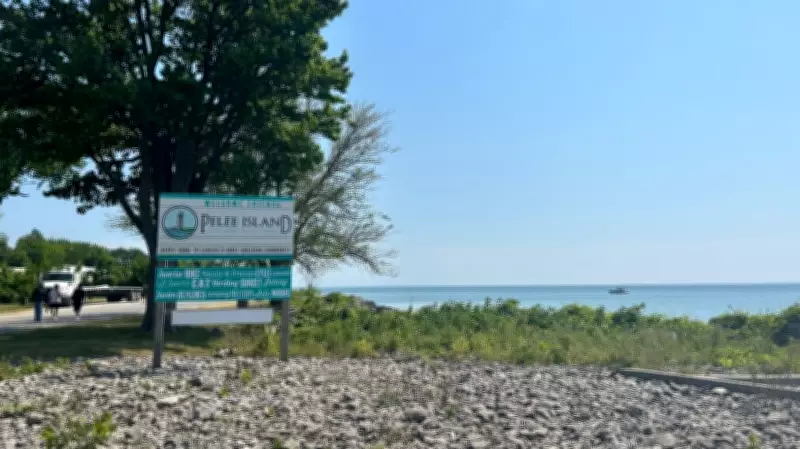
Municipal officials on Pelee Island have unveiled a proposed budget for 2026 that includes a 3% tax hike, sparking discussions among residents and local stakeholders. The plan, announced in late March 2026, seeks to balance the island's financial requirements with the need to sustain public services amid evolving economic conditions.
Budget Details and Rationale
The proposed increase would apply to property taxes, with officials citing rising operational costs and infrastructure maintenance as key drivers. According to the municipality, the additional revenue is essential for funding road repairs, waste management, and emergency services, which are critical for the island's remote location in Ontario.
Community Impact and Response
Local residents have expressed mixed reactions, with some acknowledging the necessity of the hike to preserve quality of life, while others voice concerns about affordability. The proposal comes at a time when many Canadian municipalities are grappling with similar budgetary pressures, making this a focal point for community engagement.

Public consultations are scheduled to allow feedback before a final decision is made, emphasizing transparency in the budgetary process. Officials stress that the 3% figure is based on careful analysis of projected expenses and aims to minimize financial strain on households.
Broader Context and Comparisons
This tax proposal aligns with trends seen across Ontario, where modest increases are often implemented to address inflation and service demands. Unlike larger urban centers, Pelee Island faces unique challenges due to its isolation, requiring tailored fiscal strategies to ensure sustainability.
As the 2026 budget deliberations continue, stakeholders will monitor how this proposal evolves, with potential adjustments based on community input and economic forecasts. The outcome could set a precedent for future financial planning in similar small island communities.