Ottawa Schools Face Funding Hurdle for Road Closures During Peak Hours
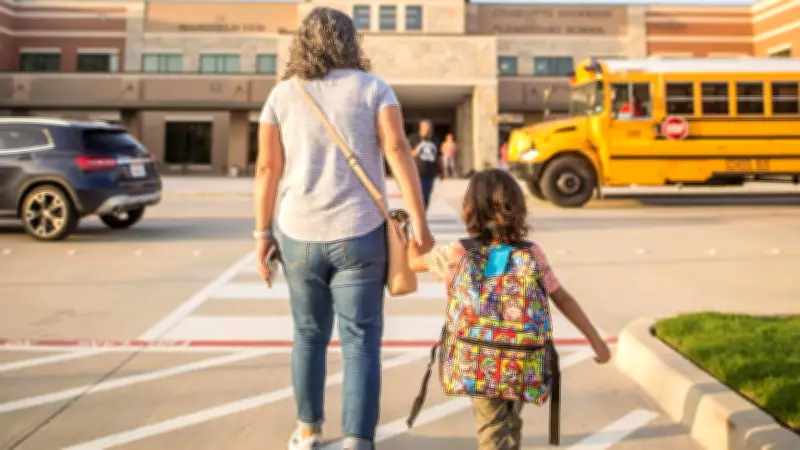
The City of Ottawa has outlined a new requirement for implementing road closures in front of schools during critical pick-up and drop-off periods. According to recent statements, any initiative to shut down streets near educational institutions must be funded and accepted liability-wise by a third party. This policy aims to address safety concerns but introduces significant logistical and financial barriers for local communities.
Third-Party Funding and Liability Acceptance Mandatory
City officials emphasize that external organizations or groups must step forward to cover the costs associated with road closures. This includes expenses for signage, traffic management, and potential legal liabilities. The move is part of broader efforts to enhance pedestrian safety around schools, where congestion and traffic risks are heightened during peak hours.
The requirement for third-party involvement means that school boards, parent associations, or other stakeholders would need to secure funding and assume responsibility for any incidents related to the closures. This could involve partnerships with local businesses, grants, or community fundraising efforts to meet the city's stipulations.

Safety Goals Amid Logistical Challenges
While the intention is to create safer environments for students, the new policy has sparked discussions about feasibility. Many schools already operate with limited budgets, and finding additional resources for road closures could prove difficult. Moreover, the liability aspect adds a layer of complexity, as third parties must be willing to take on potential risks.
Community responses have been mixed, with some praising the focus on safety and others expressing concerns about implementation. Advocates argue that reducing traffic near schools can prevent accidents and promote healthier, active transportation options like walking or biking. However, critics point out that without clear funding mechanisms, the policy might remain theoretical rather than practical.
Broader Context and Comparisons
This development in Ottawa comes as other regions explore similar measures to protect students. For instance, some cities have implemented temporary road closures using municipal funds or through pilot programs. In contrast, Ottawa's approach shifts the burden to external entities, highlighting a unique strategy in urban safety planning.
As discussions continue, stakeholders are encouraged to collaborate on solutions that balance safety needs with financial realities. The city's stance underscores the importance of community involvement in addressing public safety issues, though it also raises questions about equity and access for schools in less affluent areas.