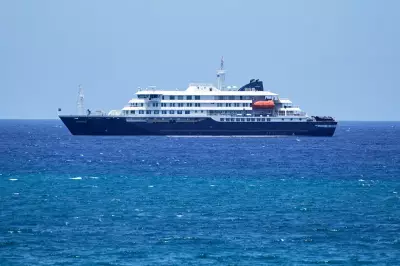
Spanish passengers from the hantavirus-stricken MV Hondius cruise ship have begun disembarking in Tenerife, Canary Islands, as evacuation efforts get underway. The ship, operated by Oceanwide Expeditions, has been linked to multiple cases of hantavirus, a potentially fatal rodent-borne disease.
Evacuation Process
The first plane carrying Spanish passengers departed for Madrid, with plans to transport all affected individuals. The evacuation is being coordinated by Spanish health authorities in collaboration with local officials in the Canary Islands. Passengers are being screened for symptoms before departure.
Health Concerns
Hantavirus cases have nearly doubled in Argentina over the past year, with experts linking the increase to climate change. The virus, which can cause severe respiratory illness, is transmitted through contact with rodent droppings or urine. The MV Hondius outbreak has raised alarms about cruise ship sanitation protocols.

“We are taking every precaution to ensure the safety of passengers and crew,” said a spokesperson for the Canary Islands health department. “All individuals are being monitored for symptoms and provided with medical care as needed.”
Background
The MV Hondius, a polar expedition cruise ship, had been quarantined off the coast of Tenerife after several passengers and crew members tested positive for hantavirus. The ship had recently returned from a voyage to Antarctica, where the virus is known to be present in rodent populations.
International Response
Spanish authorities are working with the World Health Organization and other international bodies to manage the outbreak. The evacuation is expected to be completed within days, with all passengers undergoing medical evaluation upon arrival in Madrid.
“This is a complex operation, but we are committed to ensuring the well-being of everyone involved,” added the spokesperson. “We urge the public to remain calm and follow official guidance.”
The incident has sparked renewed debate about the risks of cruise ship travel in remote regions. Industry experts are calling for stricter health screening measures and improved communication with passengers about potential health hazards.