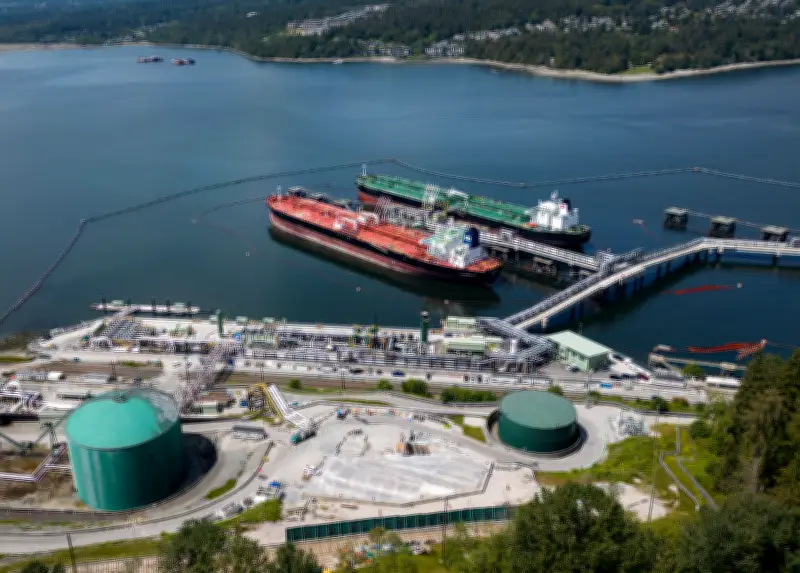
The oil and gas industry and its relationship with the federal government are playing a large role in Alberta’s separation debate, deepening divisions among residents. According to a report by Kathy Le, the issue has become a focal point in discussions about whether Alberta should leave Canada.
Oil and Gas at the Heart of the Divide
Alberta’s economy is heavily dependent on oil and gas, and many residents feel that federal policies, such as carbon taxes and environmental regulations, unfairly target the province. This has fueled support for separation among those who believe Alberta would be better off managing its own resources. However, others argue that separation would harm the province’s economy and its ability to access global markets.
“The line is drawn,” one analyst said, highlighting the deep split between those who see the federal government as an obstacle and those who view separation as a risky move.

Federal Policies and Provincial Tensions
The federal government’s environmental policies, including the carbon tax and emissions reduction targets, have been a source of tension with Alberta. Premier Danielle Smith has repeatedly criticized these policies, arguing that they stifle economic growth. In response, Ottawa has defended its approach, citing the need to combat climate change.
“We need to balance economic development with environmental responsibility,” a federal spokesperson said. “Alberta’s oil and gas industry is vital, but it must operate within national climate goals.”
Public Opinion and Political Movements
Public opinion on separation remains divided. A recent poll found that 35% of Albertans support separation, while 50% oppose it. The issue has gained traction among some conservative groups, but mainstream political parties have largely avoided endorsing it. The United Conservative Party has focused on advocating for provincial rights within Canada rather than outright separation.
“Separation is not on our agenda,” a UCP spokesperson said. “We are committed to fighting for Alberta’s interests within Confederation.”
Economic Implications
Experts warn that separation could have severe economic consequences. Alberta’s oil and gas exports rely on pipelines that cross other provinces and on federal support for international trade agreements. Without these, the province could face higher costs and reduced market access. Conversely, proponents argue that Alberta would retain all resource revenues and could negotiate its own trade deals.
“The economic risks are substantial,” an economist said. “But the emotional appeal of sovereignty is powerful.”
Looking Ahead
The debate is expected to continue as Alberta prepares for a potential referendum on separation. The outcome will likely depend on how the federal government addresses provincial grievances and whether Alberta’s economy remains strong. For now, the oil and gas industry remains the central issue, dividing families and communities across the province.