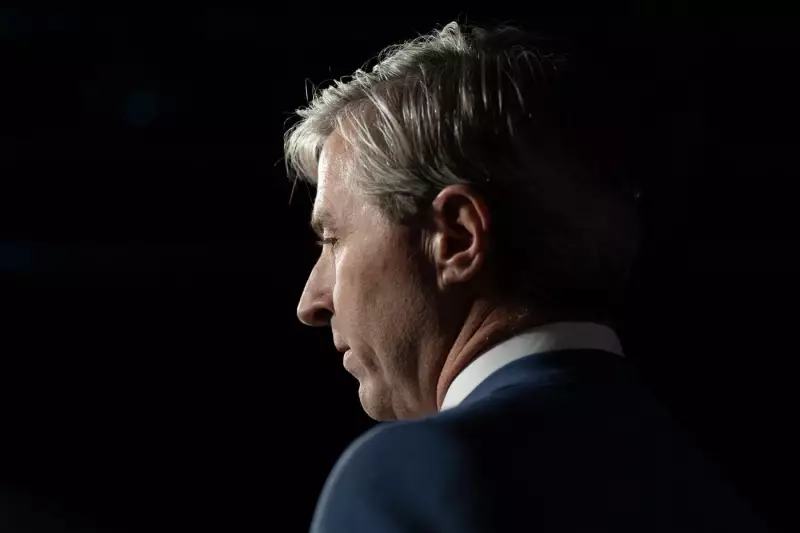
Nova Scotia's Progressive Conservative government is offering no clear commitment to a key 2024 campaign promise aimed at shielding residents from soaring electricity costs. The pledge to cap annual power rate increases at or below the national average now appears to be in question, raising concerns for households and businesses across the province.
The Unfulfilled Campaign Promise
During the 2024 provincial election campaign, Premier Tim Houston and the PC party made a direct appeal to voters struggling with the cost of living. They promised to implement a cap on annual power rate hikes, ensuring they would not exceed the national average increase. This policy was positioned as a critical measure to provide predictability and relief from one of the most burdensome monthly expenses for Nova Scotians.
However, as of January 2026, the government has not followed through with legislation or a regulatory framework to enact this cap. When pressed by journalists, PC officials and the Premier's office have been notably noncommittal, avoiding concrete timelines or reaffirmations of the policy. This shift in tone marks a significant departure from the firm assurances given on the campaign trail just over a year prior.

Financial Pressure on Nova Scotia Households
The ambiguity surrounding the rate cap pledge comes at a time of continued financial strain. Electricity costs in Nova Scotia have historically been volatile, influenced by factors like fuel costs for generation and necessary grid upgrades. Without a legislated cap, residents remain fully exposed to these potential increases, which can directly impact disposable income and household budgeting.
The human impact of rising costs is a central concern. For fixed-income seniors, families, and small businesses, an unanticipated jump in power bills can force difficult choices between heating, eating, and other essentials. The proposed cap was meant to act as a safeguard, providing a ceiling for annual increases and allowing for better financial planning. Its uncertain status leaves a gap in the government's stated affordability agenda.
Political and Policy Implications
The government's hesitation may stem from complex negotiations with Nova Scotia Power, the province's private utility monopoly, or from challenges in defining and enforcing a "national average" benchmark. Implementing such a cap requires careful policy design to avoid unintended consequences, such as underfunding necessary infrastructure investments or deferring costs to future years.
Nevertheless, the failure to advance this prominent promise is likely to draw criticism from opposition parties and advocacy groups. It opens the government to accusations of making election-time promises that are abandoned once in office. The situation places Premier Tim Houston in a delicate position, needing to balance fiscal and energy policy realities with the political imperative of maintaining trust with voters who supported him based on specific pledges.
As Nova Scotians open their power bills in the coming months, the question of whether the government will act on its commitment or let it fade will become increasingly pressing. The lack of a clear path forward on the rate cap leaves consumers in the dark, uncertain if the relief they were promised will ever materialize.