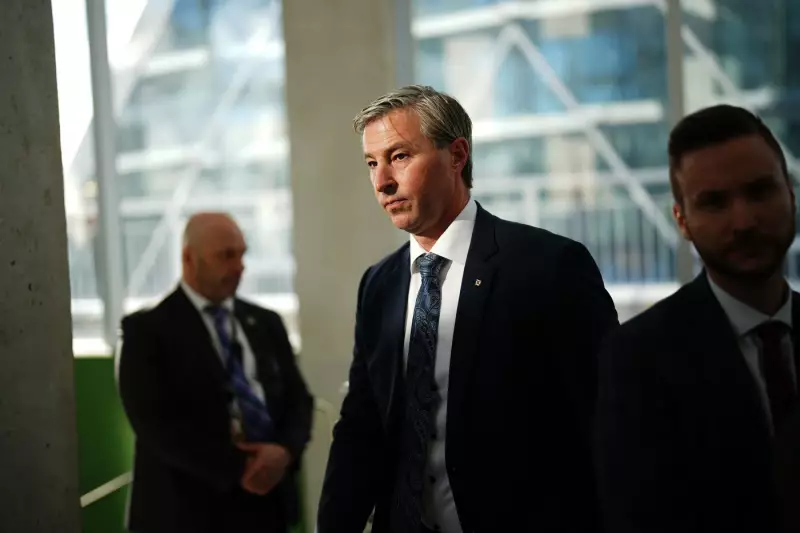
The Nova Scotia NDP is publicly criticizing Premier Tim Houston for his absence and silence during recent hearings about proposed increases to power rates in the province.
Opposition Questions Premier's Commitment
The official opposition party has taken aim at the Progressive Conservative premier for not using his platform to advocate for Nova Scotians facing higher electricity costs. The NDP argues that as the province's leader, Houston has a responsibility to speak out on such a critical affordability issue directly impacting household budgets.
The criticism centers on Houston's decision not to present or submit testimony to the Nova Scotia Utility and Review Board (UARB), which is currently evaluating an application from Nova Scotia Power for a rate increase. The opposition contends that his silence stands in stark contrast to the financial pressure felt by many residents and businesses.

The Context of Rising Costs
This political dispute unfolds against a backdrop of significant concern over the cost of living. Utility bills represent a major monthly expense for families, and any approved increase would add to the financial strain already caused by inflation in other sectors like housing and groceries.
The NDP's critique suggests that by remaining quiet, Premier Houston is failing to leverage his government's influence in a regulatory process that will determine future energy costs. They emphasize that leadership involves being a vocal champion for citizens, especially on matters that affect their economic well-being.
Political Repercussions and Public Scrutiny
This incident adds another layer to the ongoing political debate over energy affordability and government accountability in Nova Scotia. The opposition's move is likely intended to draw public attention to the premier's stance—or lack thereof—ahead of the regulator's final decision.
The effectiveness of this strategy will depend on how the public perceives the premier's role in the rate-setting process. Some may view it as respecting the independent regulator's arm's-length process, while others, as the NDP hopes, may see it as a missed opportunity for advocacy.
As the UARB continues its deliberations, the political pressure on the Houston government to clearly articulate its position and actions regarding power rates is expected to intensify. The outcome will have tangible consequences for ratepayers and could influence the political landscape in the province.