The New Democrats have apparently derailed the latest consultations on the Heritage Conservation Act by insisting that local governments and business groups sign non-disclosure agreements before they could see the proposed changes. This move has sparked widespread criticism and refusal from key stakeholders.
Background of the Controversy
The Union of B.C. Municipalities (UBCM) and four major business groups explained their reasons for refusing to sign the so-called NDAs on Thursday. They expressed concerns that the province continues to move toward introducing Heritage Conservation Act legislation without properly considering feedback provided during its latest consultation period.
In a joint statement, the groups highlighted the proximity between the end of the last round of consultations on April 23 and the government’s current offer to provide an updated version of its legislative proposal behind the protective wall of an NDA. “Only days after the consultation period closed on April 23, provincial officials offered to provide stakeholders access to a ‘three-column document’ describing intended legislative changes provided they sign a non-disclosure agreement,” the statement read.

What Is a Three-Column Document?
A three-column document sets out clear points of comparison on government proposals for change. Column one displays the current policy, regulation, or legislative clause. Column two shows the proposed revision. Column three provides the rationale for the change. Such documents are typically used to facilitate transparent discussions, but the NDA requirement undermined that purpose.
Key Reactions from Stakeholders
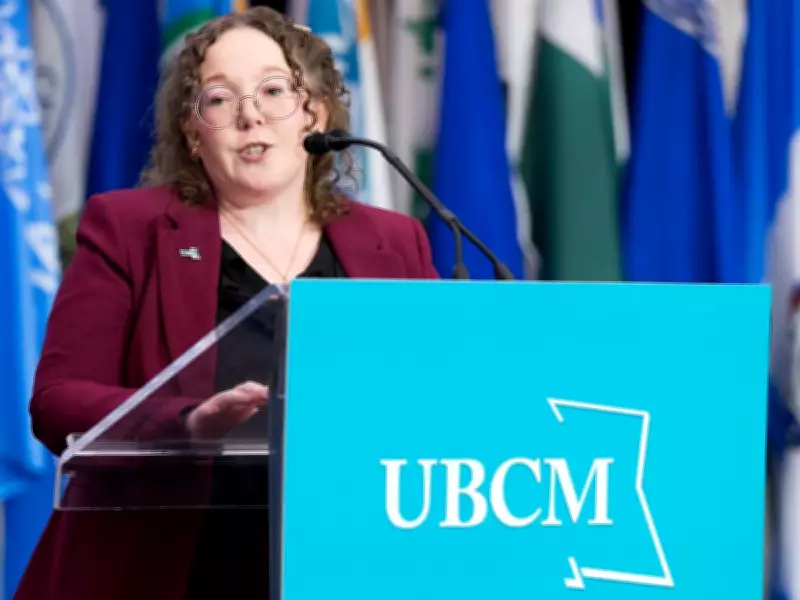
The UBCM and the four business groups that refused to sign the NDAs were unwilling to put their trust in the New Democrats. UBCM President Cori Ramsay stated, “Signing a non-disclosure agreement when the province has already determined its course would only serve to silence UBCM and limit our ability to communicate with our members.”
Chris Gardner, president of the Independent Contractors of B.C., added, “Within just a few days of the consultation closing, the ministry was already shopping a document that accompanies a formal request for legislation to cabinet. Nobody believes dozens of detailed submissions from local governments and business groups were read, synthesized, and reflected in a final policy in that time frame — the decision was clearly made before consultation closed.”
Mike Drummond, interim president of the Urban Development Institute, commented, “The government is contemplating significant changes to the act with virtually no consultation with the people who will be most affected. That is not how consequential legislation gets made.”
Michael Goehring, president of the Mining Association of B.C., said, “We refuse to be bound by a non-disclosure agreement and participate in a process that lacks transparency and prohibits us from communicating with our members and other interested parties.”
Impact on the Consultation Process
The refusal of these key groups to participate under the NDA terms has effectively derailed what was supposed to be a public consultation. The government’s insistence on confidentiality has raised serious questions about its commitment to transparent and inclusive policymaking. As the controversy continues, the future of the Heritage Conservation Act amendments remains uncertain.