

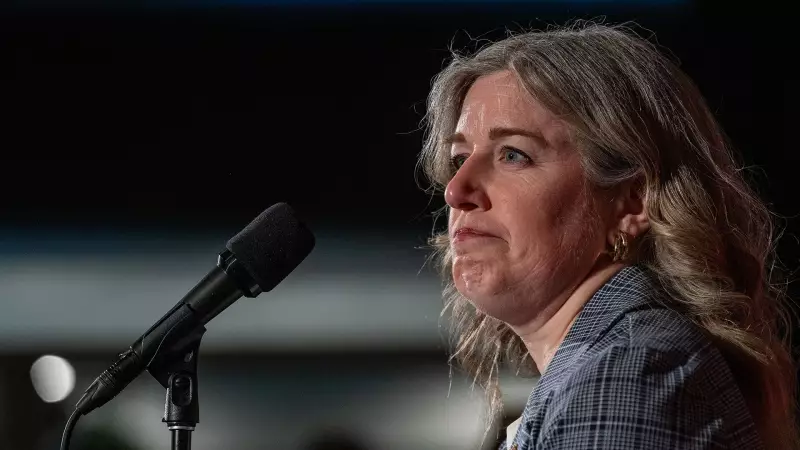
New Brunswick's premier has publicly voiced significant frustration and disappointment following a recent decision by the provincial Energy and Utilities Board (EUB). The regulatory body's ruling on the application of a carbon cost adjuster has sparked a fresh political clash over energy affordability and climate policy in the province.
The Core of the Controversy
The dispute centers on the EUB's determination regarding how costs associated with federal carbon pricing are passed through to utility customers. The premier's office contends that the board's interpretation and subsequent ruling could place an undue financial burden on New Brunswick residents and businesses. The premier characterized the decision as out of touch with the economic realities facing the province and its commitment to managing energy costs.
The ruling, delivered in late November 2025, has become a flashpoint in the ongoing dialogue between provincial authorities and independent regulators. The premier's sharp criticism underscores a belief that the EUB's mandate should more closely align with the government's priorities of protecting ratepayers while navigating federal climate mandates.

Broader Implications for Policy and Ratepayers
This conflict is not occurring in a vacuum. It reflects a wider, national tension between provincial jurisdictions and the mechanisms of federal carbon pricing. The premier's reaction signals a potential for further political or legislative action to address what the government sees as a regulatory overreach or misapplication of policy.
Analysts suggest the premier's forceful response is aimed at demonstrating to constituents that the government is actively fighting to control energy bills. The outcome of this disagreement could set a precedent for how similar cost-adjustment mechanisms are handled by utilities and their regulators across Canada in the coming years.
The premier concluded remarks by emphasizing that the government is exploring all available options to respond to the EUB's decision, though specific next steps were not immediately detailed. The situation remains fluid, with stakeholders from industry, consumer advocacy groups, and environmental organizations closely monitoring developments.






