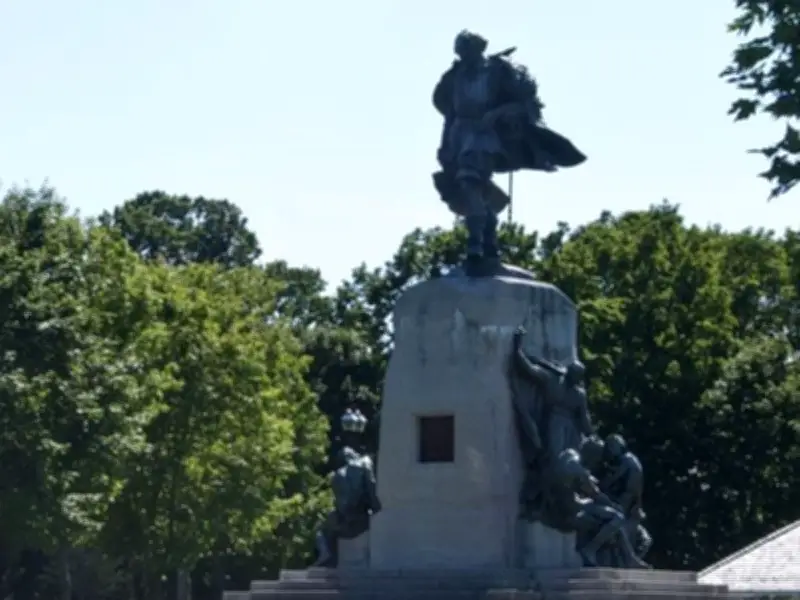
The Samuel de Champlain statue in Orillia has been removed once more, reigniting tensions between the mayor and city council over its fate. The monument was taken from Couchiching Beach Park on June 10 and placed in a municipal yard following a 6-3 council vote last month to remove it.
Mayor Defends Monument's Return
Mayor Don MacIsaac, who voted against removal, stated that most residents want the statue back. "The vast majority of Orillians want the monument returned. They've done surveys. They've done all sorts of reach outs and people want it returned," he said. He criticized the removal as not being true reconciliation, arguing that the statue should remain as part of history and a journey forward.
Council's Decision and Indigenous Perspectives
The city council's vote to remove the statue came amid discussions with local First Nations leaders, who declined interviews on the latest development. Councillor Janet-Lynne Durnford, who supported removal, shared mixed feelings. "It was there in the park and it's a beautiful park that we all use frequently. And I remember playing around it and, I just have this lovely sensory memory of the warmth of the bronze in the sun and climbing on the sculptures," she said. However, she recalled discomfort with the monument's depiction of Indigenous figures kneeling below a priest holding a cross.

Historical Context of the Monument
The original monument, erected in 1925, featured seven statues with Champlain positioned above Indigenous figures, some praying to a Récollet father. The original plaque read: "Erected to commemorate the advent into Ontario of the white race." The returned statue featured only Champlain on the plinth, while the other six statues remain in storage and the offensive plaque was not reinstalled.
Samuel de Champlain, known as the "Father of New France," founded Quebec City in 1608 and built alliances with Indigenous groups including the Huron-Wendat, Montagnais, Odawa, and Nipissing. The statue was previously removed by Parks Canada in 2017 for restoration amid reconciliation efforts. MacIsaac briefly returned it last month before the council's vote led to its second removal.