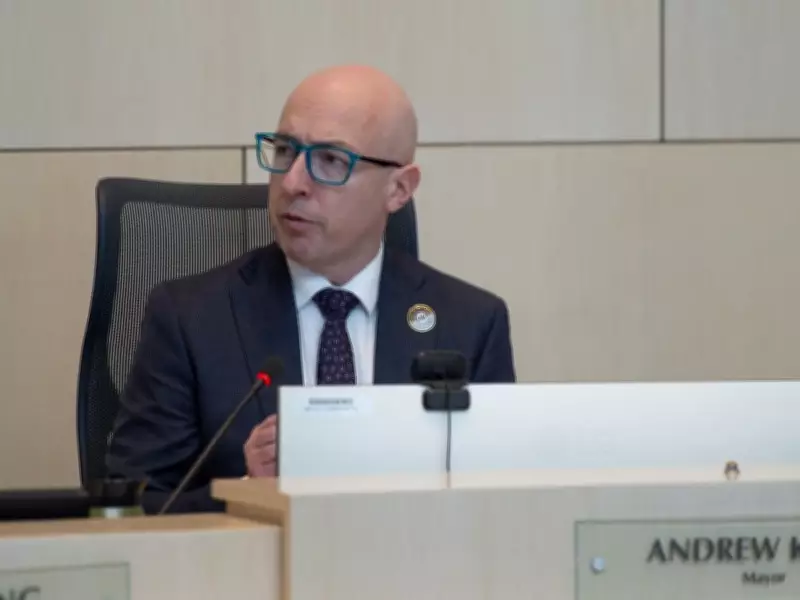
Edmonton Mayor's Repeated China Visits Draw Scrutiny Over Human Rights Stance
Edmonton Mayor Andrew Knack is embarking on another trip to China, marking his second visit in less than four months. This latest journey follows his previous excursion to Harbin during the New Year period, raising questions about his commitment to addressing China's documented human rights violations.
Hypocrisy Allegations Surface in Mayor's Travel Decisions
Critics are highlighting a stark contrast in Knack's approach to international travel. Earlier this year, he publicly reprimanded Police Chief Warren Driechel for attending a conference in Israel, citing concerns about community sensitivities and the need for prior consultation with local groups, particularly Muslim communities affected by conflicts in Gaza and the West Bank.
Knack emphasized that such decisions could "cause real hurt, damage relationships with communities that already feel marginalized, and break trust." He advocated for thorough community engagement before any such trips, a standard he now appears to apply inconsistently.

Selective Community Consultations Under Fire
While Knack boasted of consulting communities before his China visits, observers note a significant disparity in these engagements. Unlike his recommendation for Chief Driechel to seek input from opponents of Israeli policies, Knack's consultations likely excluded critics of China's Communist regime.
Specifically, there is no evidence that he engaged with local Uyghur community members, who have family members subjected to forced labor and persecution in China, or with Falun Gong practitioners, who face severe human rights abuses including organ harvesting. Canada's Parliament has unanimously declared China's treatment of Uyghurs a genocide, adding weight to these concerns.
Broader Political Context of Canada-China Relations
Knack is not alone in pursuing closer ties with China despite these issues. Prime Minister Mark Carney recently visited China and established a new strategic partnership, which includes importing 49,000 Chinese electric vehicles annually. This agreement also raises alarms about potential Chinese interference in Canadian affairs and the lives of Chinese-Canadians.
The United Conservative Party (UCP) and other political entities are similarly seeking stronger economic links with China, often overlooking its cutthroat business practices and human rights record. This trend reflects a broader willingness to prioritize economic gains over ethical considerations, according to analysts.
Implications for Local and National Policy
The mayor's actions underscore a growing tension in Canadian politics between economic interests and human rights advocacy. As Edmonton and other municipalities explore international partnerships, the need for consistent, principled foreign engagement becomes increasingly critical.
Public trust may erode if leaders are perceived as applying double standards, especially on issues as grave as genocide and forced labor. Moving forward, transparency and genuine community consultation will be essential to maintaining credibility in international relations.