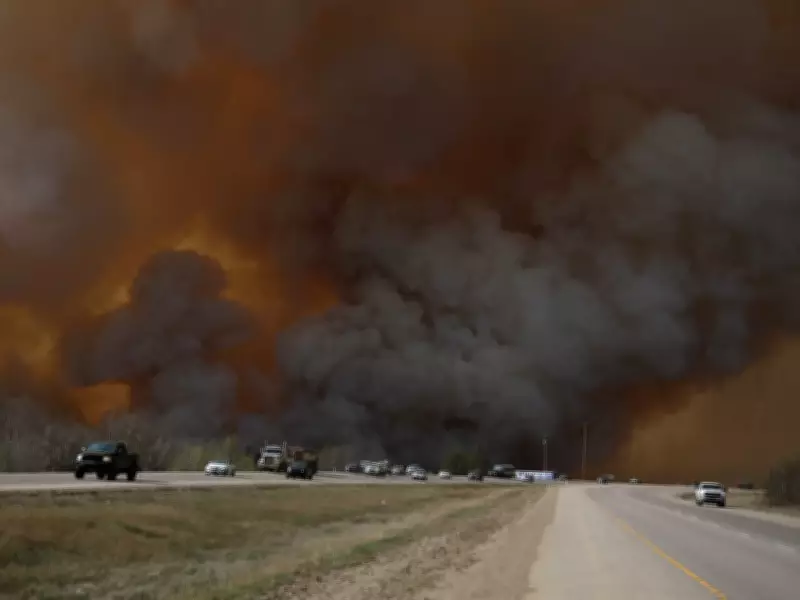
Ten years ago, on May 3, 2016, the 'Beast' wildfire swept through Fort McMurray, Alberta, consuming over half a million hectares and forcing 90,000 residents to flee. The fire, which started as a two-hectare blaze, grew to 589,000 hectares, leaving a trail of destruction but also a legacy of resilience.
A Community Rebuilds
Wood Buffalo Fire Chief Jody Butz recalls the frantic efforts to save the community. 'We were trying to keep the fire from taking our community,' he said. Firefighters worked tirelessly, saving about 92% of the structures. 'It's a number that will stick with me forever,' Butz added.
Today, approximately 86% of the destroyed structures have been rebuilt, according to Wood Buffalo Mayor Sandy Bowman. The population has grown to nearly 108,000, with 30% of residents moving in after the fire. 'The community has learned and grown,' Bowman said. Major investments continue to pour in, signaling a bright future.

Wildfire Preparedness Becomes a Way of Life
The disaster sparked a cultural shift. 'Fire Smart' is now a common term, and preparedness is ingrained in daily life. The region has implemented a wildfire mitigation strategy and a wildland urban interface team. 'It's a story of resilience,' Butz emphasized.
RCMP retiree Irv Hyde, who volunteered with Team Rubicon Canada, described the devastation as 'like driving into the scene of the bombing of Hiroshima.' The organization helped homeowners recover treasured items, from war medals to photo albums, aiding in the closure process.
Lasting Impact on Alberta Wildfire Management
Christie Tucker of Alberta Wildfire noted the fire's 'enormous scale' and its lasting impact on the province. 'It was something they had not seen before,' she said, and it has influenced wildfire strategies ever since.
As Fort McMurray marks this anniversary, the community looks forward with gratitude. 'The overwhelming response is gratitude for everyone who stepped up,' Bowman said. 'The fire doesn't define us; our resilience does.'