

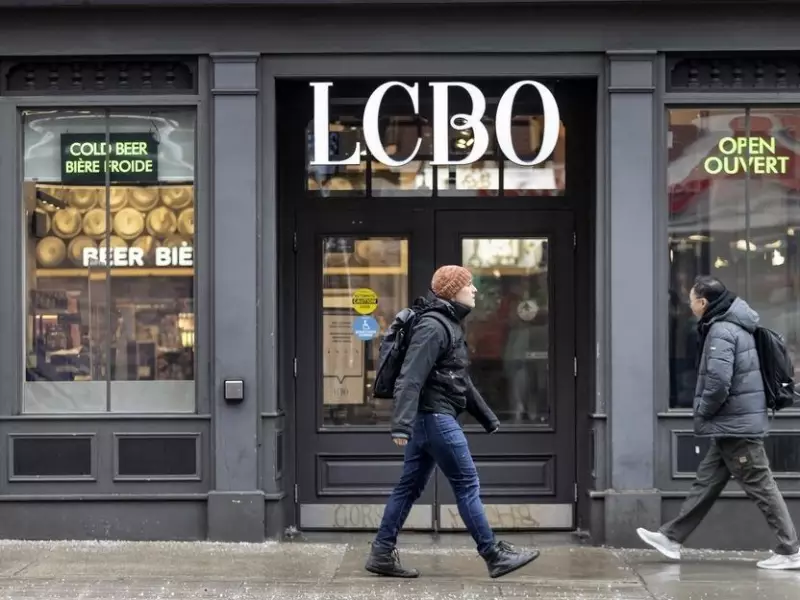
Newly revealed documents show the Ford government, not the Liquor Control Board of Ontario (LCBO), was the driving force behind a controversial plan to significantly increase alcohol prices across the province. This contradicts the government's earlier attempts to distance itself from the proposed hikes.
Minister's Letter Details Specific Markup Orders
Finance Minister Peter Bethlenfalvy sent a detailed directive to LCBO chair Carmine Nigro on October 15, 2025. The letter explicitly outlined the new "wholesale" pricing program, specifying the exact markup percentages the provincial liquor monopoly should apply to different types of alcohol.
This evidence directly challenges the narrative presented by the government after the restaurant, bar, and retail industries expressed outrage. Initially, the government delayed the changes from January 1 to April 1, 2026, and suggested the LCBO had acted independently in proposing the price increases.

Projected Impact: Draught Beer Could Skyrocket by 70%
The proposed markups, as detailed in Bethlenfalvy's letter, would have led to substantial price increases. Industry estimates suggested consumers would face a minimum price jump of 10-15%, with some products affected more severely.
The most dramatic increases were projected for draught beer served in restaurants and bars. Prices for major brands like Sleeman, Molson, and Labatt were expected to rise by approximately 40%. For draught beer from Ontario's craft brewers, the increase could have been as high as 70%.
The minister's instructions applied varying markups based on beverage type and alcohol content. For drinks with an alcohol-by-volume between 7.1% and 18%, the mandated LCBO markup was 30% for cider, 60% for ready-to-drink cocktails, 73% for wine, and 105% for spirits.
Broken Promise on Alcohol System Review
This complex pricing move stands in stark contrast to Premier Doug Ford's promise in May 2024. At that time, his office announced a comprehensive review of taxes and fees on alcohol, aiming to create a fairer and more competitive marketplace for Ontario products and consumers.
That full-scale review, intended to modernize Prohibition-era rules, was never completed. While the 2025 budget made some adjustments and the LCBO announced wholesale changes in October, no meaningful rationalization of the system occurred. The Ontario Restaurant Hotel and Motel Association warned the plan would mean "higher alcohol costs across restaurants, grocery and convenience sectors, undermining Ontario’s competitiveness and affordability."
Despite the Ford government's record of expanding consumer access to alcohol, this episode reveals a failure to deliver on its promise of a simplified, modern system for Ontario's beverage alcohol industry.






