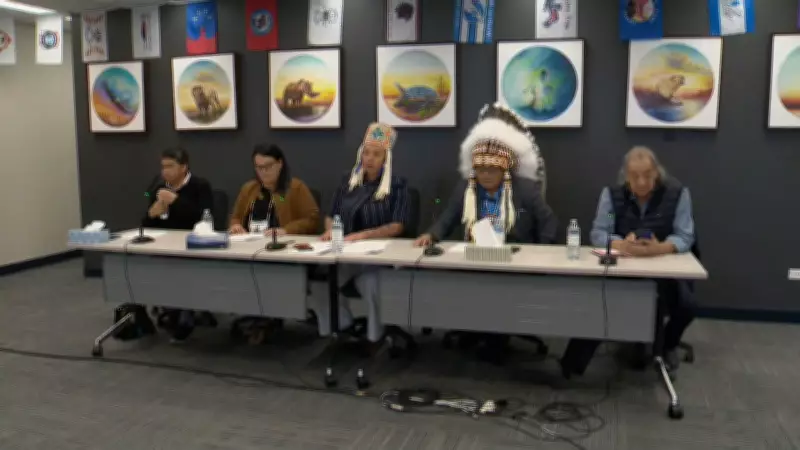
First Nations leaders in Manitoba are voicing their opposition to a federal bill recognizing Red River Métis self-governance. The chiefs argue that the bill undermines their inherent rights and could lead to jurisdictional conflicts over land and resources. The proposed legislation, introduced by the federal government, aims to establish a framework for Métis self-government, but First Nations leaders say it fails to address their concerns.
Opposition from First Nations
Several chiefs from Manitoba First Nations have publicly stated their opposition to the bill, emphasizing that it does not respect their treaty rights or the principles of free, prior, and informed consent. They worry that recognizing Métis self-governance without clear boundaries could lead to overlapping claims and disputes over traditional territories.
Key Concerns
- Land Rights: First Nations leaders fear the bill could erode their land base and undermine existing treaties.
- Jurisdictional Overlap: The lack of clarity on how Métis self-governance will interact with First Nations governance structures is a major issue.
- Consultation: The chiefs say they were not adequately consulted before the bill was drafted.
The federal government has defended the bill, stating that it is a step toward reconciliation with the Métis Nation. However, First Nations leaders remain unconvinced and are calling for further dialogue and amendments to address their concerns.

This development highlights the complex dynamics between Indigenous groups in Canada, as the push for self-determination continues. The debate is expected to intensify as the bill moves through Parliament.