B.C. Premier's Attempted Distraction Backfires as Indigenous Issues Take Center Stage
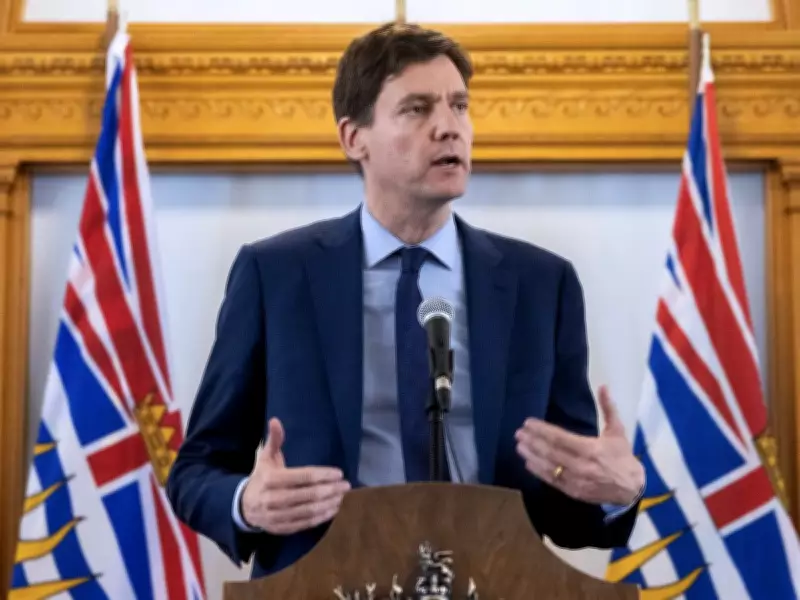
In a striking political maneuver, British Columbia Premier David Eby's office summoned journalists to discuss international affairs, specifically the conflict with Iran, during a legislative session dominated by Indigenous relations. This calculated effort to redirect public attention proved ineffective when reporters immediately pivoted to pressing domestic concerns.
Failed Diversion Tactics
On a day when the provincial legislature was consumed by debates about the NDP government's relationship with Indigenous communities, Premier Eby's team orchestrated a press conference focused on foreign policy. The premier's office apparently viewed international tensions as a potential distraction from mounting criticism over Indigenous policy failures.
This strategy collapsed immediately when journalists received the opportunity to question the premier. During the entire session, not a single inquiry addressed Eby's commentary about Iran or global affairs. Instead, all fifteen questions focused exclusively on his administration's controversial handling of Indigenous matters.

Persistent Questions About Indigenous Policy Reversals
Reporters confronted Eby about his government's inconsistent positions regarding the Declaration Act, specifically asking "how many climbdowns does your government have left when it comes to this issue?" The premier responded with vague assurances about ongoing collaboration with Indigenous partners and willingness to adjust course when necessary.
Eby defended his approach, stating: "It is just my preferred way to do things. Obviously, I'd like to be right 100 percent of the time, right out of the gate. That is not me. But recognizing, when we get things wrong, that we're willing to take a step back, fix it and move forward is, in fact, a strength of this government."
Centralized Decision-Making and Policy Whiplash
Political observers note that Eby's personal pronouns in that statement reveal a significant truth about his governing style. Unlike his predecessor John Horgan, who delegated authority more freely, Eby maintains tight control over Indigenous relations through a small inner circle of advisors.
This centralized approach has created confusion within the NDP caucus, with some MLAs and even cabinet ministers reportedly surprised by the premier's rapid policy reversals concerning the Declaration Act. Despite this apparent disarray, Eby maintains that his entire caucus shares his perspective on current challenges.
Legal Challenges and Consultation Breakdown
The immediate crisis stems from a British Columbia Court of Appeal decision that invalidated the province's mineral claims staking system, finding it incompatible with the United Nations Declaration on the Rights of Indigenous Peoples. This ruling directly references legislation that Eby himself helped develop during his tenure as attorney general.
Both the Declaration Act and related Interpretation Act were created through what Eby previously described as "deep consultations" with Indigenous leaders between 2019 and 2021. Now, facing legal consequences, the premier seeks to amend or suspend these same laws without the extensive Indigenous consultation that originally produced them.
This unilateral approach has provoked strong resistance from Indigenous leaders, with the First Nations Leadership Council refusing to engage in discussions about potential amendments. Eby expressed frustration about this impasse, acknowledging the difficulty of proceeding when key partners decline participation in these crucial conversations.