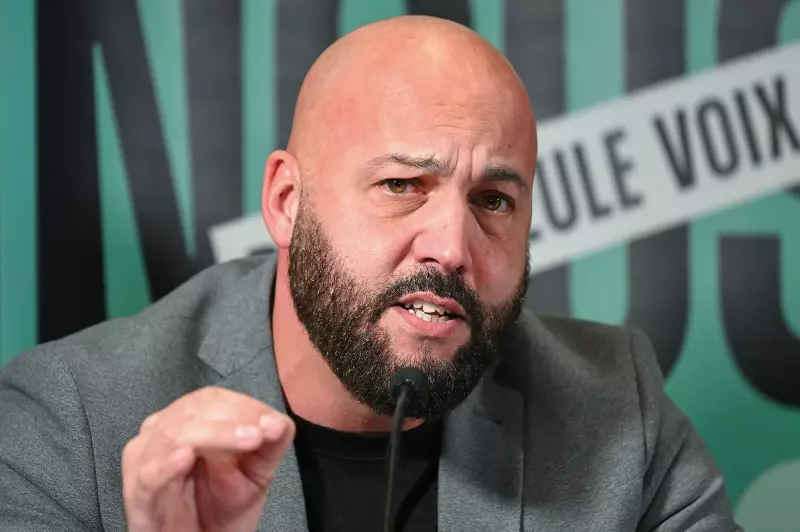
The head of a major Quebec labour federation has thrown down a political gauntlet, publicly challenging Premier François Legault to call a provincial election to prove his government's controversial bills have popular support.
A Direct Challenge to the Premier's Mandate
Eric Gingras, the president of the Centrale des syndicats du Québec (CSQ), issued the bold challenge on Tuesday, January 6, 2026. He contends that the Legault government should seek a fresh mandate from voters to legitimize its legislative agenda. The CSQ represents a significant portion of Quebec's public sector workers, particularly in education and health, giving Gingras's words considerable weight in the province's political landscape.
The call for an election is a direct response to what the union perceives as a lack of a clear public mandate for recent government bills. While Gingras did not specify which bills prompted his challenge, the CSQ has historically been vocal on issues affecting public services, education funding, and labour conditions—areas where the Coalition Avenir Québec (CAQ) government has enacted significant reforms.

The Political Stakes in Quebec
This move escalates tensions between the provincial government and organized labour, a key constituency in Quebec politics. By suggesting the premier "test" his bills' support at the polls, Gingras is questioning the democratic legitimacy of the CAQ's current direction, despite its majority government. The next fixed election date is not until October 2026, but Gingras's statement adds pressure for a potential snap election.
Premier Legault has not immediately responded to the union leader's provocative demand. The challenge comes amidst a busy news cycle but stands out as a significant political development. It forces a conversation about the government's mandate and the role of unions in holding elected officials accountable between scheduled votes.
What This Means for the Government and the Public
The union's stance signals a possible hardening of opposition from civil society groups ahead of the next election campaign. It frames the upcoming electoral contest not just as a choice between parties, but as a referendum on the government's specific legislative record. For voters, it raises a fundamental question: should a government with a majority seek renewed approval for its signature policies mid-mandate?
This development is sure to spark debate across Quebec about the pace of change, the authority of a majority government, and the mechanisms for public consultation. All eyes will now be on Premier Legault's response and whether this bold challenge from a major union leader shifts the political dynamics in the province.