B.C. Government Halts Heritage Act Revisions Amid Transparency Concerns
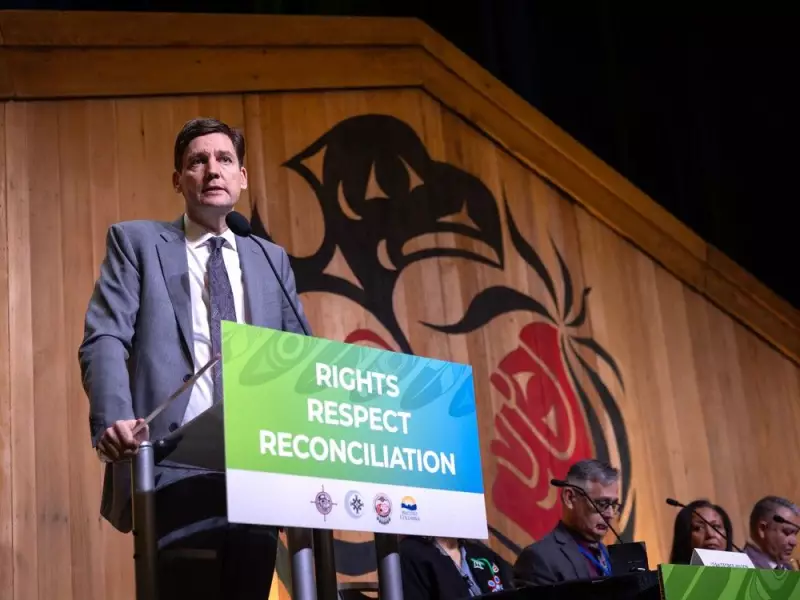
The British Columbia New Democratic Party has announced an open-ended pause to its comprehensive overhaul of the Heritage Conservation Act, citing the need for additional consultations on a project that has been in development for nearly four years. This decision by Premier David Eby's administration represents what critics describe as another significant failure in the NDP's preference for conducting negotiations behind closed doors with Indigenous leaders before presenting finalized outcomes to the public.
Four-Year Transformation Process Stalls
The provincial government initially launched its ambitious Heritage Conservation Act transformation process in 2022 with dual objectives that some observers found contradictory. The initiative aimed to strengthen protections for heritage sites while simultaneously streamlining development approval processes. Following an initial consultation phase, the transformation process was delegated in fall 2023 to a specialized working group composed exclusively of provincial government officials and Indigenous representatives.
This working group operated under strict confidentiality agreements, with government representatives bound by their public service oaths and Indigenous members required to sign non-disclosure agreements. According to one working group member who spoke anonymously, this approach has become standard practice: "They always ask Indigenous representatives to sign NDAs."

Consensus Reached Behind Closed Doors
Despite the secretive nature of the proceedings, the government and Indigenous representatives reportedly found substantial common ground during their deliberations. Sources indicate that working group members identified fifty-seven sections of the existing Heritage Conservation Act requiring modification and reached consensus on proposed changes for fifty-three of those sections. This high level of agreement between the parties suggested significant progress toward the legislation's transformation.
The process encountered serious difficulties when the provincial government attempted to transition from confidential negotiations to public consultation. In mid-August 2025, officials organized a briefing session with local government representatives to share the working group's recommendations, billing the meeting as a consultation opportunity.
Local Government Pushback and Concerns
Municipal leaders approached the briefing with immediate skepticism about its consultative nature. The Union of B.C. Municipalities advised its members that "the specific and detailed amendments now being proposed were co-developed by the provincial government and First Nations with no local government involvement," adding that "it is unclear how much room there is for changes in these amendments."
Attendees discovered during the three-hour session that the government had minimal flexibility regarding the proposed changes. Rather than engaging in genuine dialogue, local officials received what amounted to a presentation of predetermined amendments based entirely on the consensus recommendations from the Indigenous-government working group.
Municipal representatives emerged from the briefing with serious concerns about the practical implications of the proposed changes. They worried that the amendments would impose new obligations on local governments, broaden the definition of heritage sites to include "intangible cultural values," increase operational costs, and create additional delays in project approval processes.
Broader Implications for Government Process
The indefinite pause announced this week highlights ongoing tensions between the provincial government's reconciliation efforts with Indigenous communities and its responsibilities to engage transparently with municipal governments and the broader public. Critics argue that the NDP's approach of negotiating secretly with Indigenous leaders before presenting finalized agreements undermines democratic processes and creates implementation challenges.

This development raises important questions about how British Columbia can balance its commitment to Indigenous reconciliation with the need for inclusive, transparent policymaking that considers all stakeholders. The Heritage Conservation Act pause represents not just a delay in legislative reform but a significant moment of reflection on governance processes in the province.
As the government determines its next steps, observers will be watching closely to see whether future consultation processes will incorporate broader participation from municipal governments and the public, or whether the secretive negotiation model will continue to define the NDP's approach to complex policy changes affecting heritage conservation and Indigenous relations in British Columbia.