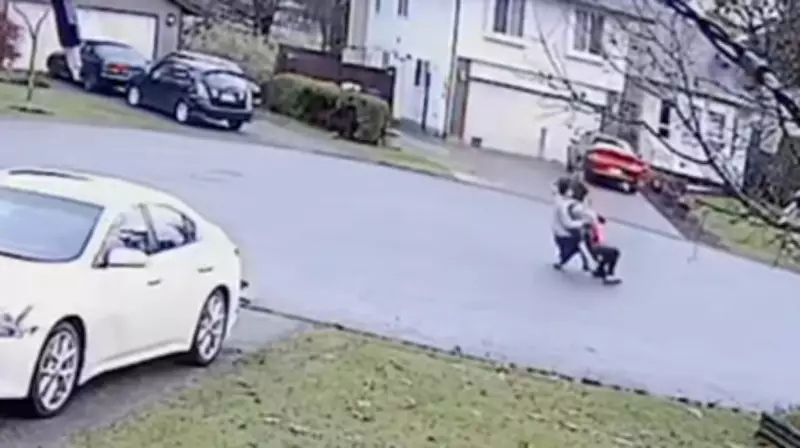
A British Columbia human rights activist has been awarded damages more than five years after being assaulted and battered during a protest in Surrey, B.C. The incident, captured on surveillance video, shows activist Louis Huang being attacked outside a journalist's home in a Surrey cul-de-sac on November 25, 2020.
Details of the Assault
The video footage, published by TheBreaker.news, depicts Huang being physically confronted and struck by an unidentified individual. The assault occurred during a protest that drew multiple participants to the residential area. Huang, known for his advocacy work, was reportedly at the location as part of his human rights activities.
Legal Proceedings and Outcome
After a lengthy legal process spanning over five years, the court ruled in favor of Huang, awarding him damages for the assault and battery. The judgment underscores the seriousness of the attack and the lasting impact on the victim. While the specific amount of damages has not been disclosed, the ruling serves as a precedent for holding individuals accountable for violent acts during protests.

Broader Context
This case highlights ongoing tensions surrounding protests in British Columbia and across Canada. The incident occurred amid heightened political and social activism, where confrontations between opposing groups have sometimes escalated into physical violence. The court's decision reinforces the legal protection of peaceful protesters and the consequences for those who resort to assault.
Reactions and Implications
Human rights organizations have praised the ruling as a victory for accountability and justice. Huang's legal team emphasized that the decision sends a clear message that violence will not be tolerated, regardless of the political context. The case also raises questions about the role of surveillance in documenting such incidents and the need for enhanced safety measures during public demonstrations.
As the community reflects on this outcome, advocates hope it will discourage future acts of aggression and promote more constructive dialogue among opposing groups. The lengthy delay in resolution, however, points to challenges within the legal system in addressing protest-related violence promptly.