The Office of the Auditor General in British Columbia has released a comprehensive independent examination detailing the provincial government's involvement in the Village of Lytton's ongoing recovery from the catastrophic wildfire that engulfed the area on June 30, 2021. The report, formally presented to the Legislative Assembly, highlights significant challenges and shortcomings in the provincial response to one of British Columbia's most devastating community disasters.
Devastating Impact of the 2021 Wildfire
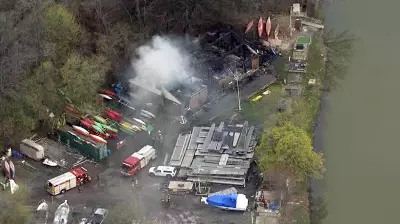
The 2021 wildfire that swept through Lytton resulted in tragic loss of life and unprecedented destruction. The inferno claimed two lives and completely devastated approximately 90 percent of the village's residential properties, commercial establishments, and essential services. Critical infrastructure was ruined, leaving behind extensive areas of contaminated debris that required specialized remediation efforts.
The destruction extended beyond municipal boundaries, with 45 homes and multiple other structures in adjacent Lytton First Nation communities also reduced to ashes. The scale of devastation created recovery needs of unprecedented complexity for a British Columbia community.

Three Major Provincial Challenges Identified
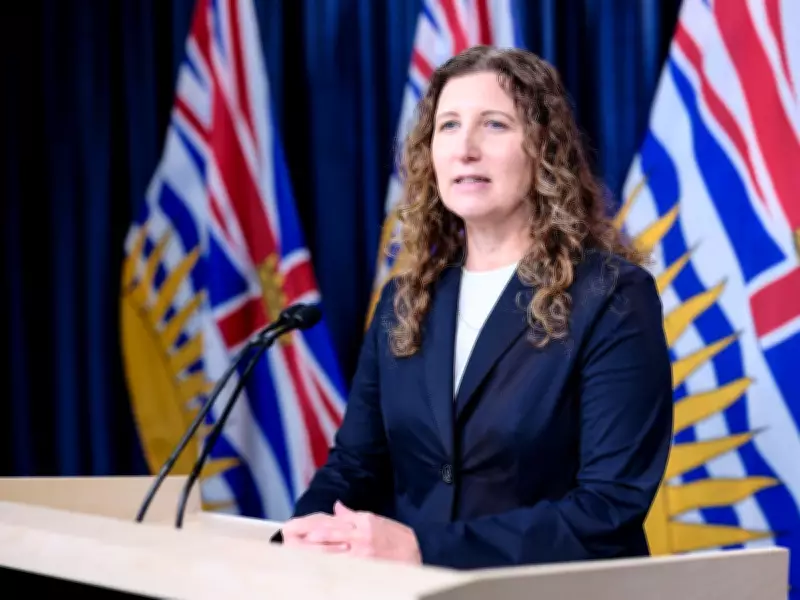
Auditor General Bridget Parrish outlined three primary challenges that hindered the provincial government's effectiveness in supporting Lytton's recovery. "The Province of B.C. faced three main challenges after the wildfire," Parrish stated in her assessment. "First, the province's legislation and policy weren't sufficient to support the complex and unprecedented needs of the village."
"Second, while the village is on the traditional territory of the Nlaka'pamux, the province was unable to facilitate collaboration between the village and key Indigenous governing bodies," she continued. "And third, at certain points the province lacked necessary oversight of how the village was spending provincial funds for the recovery."
Inadequate Emergency Management Framework
The examination revealed that British Columbia's existing emergency management legislation and policy framework proved insufficient to guide the recovery of an entire community facing Lytton's level of devastation. The Village of Lytton itself lacked both the staffing capacity and financial resources necessary to lead its own recovery efforts, creating additional dependency on provincial support.
Compounding these challenges, most Lytton residents were either uninsured or underinsured for the catastrophic losses they suffered. The recovery process involved multiple complex dimensions including restoring local government functions, conducting extensive soil remediation, and addressing significant archaeological considerations throughout the affected area.
Failed Collaboration with Indigenous Governing Bodies
The report notes that the Nlaka'pamux hold Aboriginal title and rights in Nlaka'pamux Territory, which encompasses the site where the Village of Lytton was established. The Declaration on the Rights of Indigenous Peoples Act had affirmed the rights of Indigenous governing bodies to participate in decision-making processes within their traditional territories.
Despite early attempts by provincial authorities and key Indigenous governing bodies to establish a collaborative approach with the village, the examination found that meaningful joint recovery activities ultimately failed to materialize. This breakdown in partnership represented a significant missed opportunity for coordinated recovery efforts.
Deficient Financial Oversight Mechanisms
Through a series of funding agreements with the Village of Lytton, the provincial government committed more than $60 million specifically for wildfire recovery initiatives. Initially, this funding was provided in lump-sum allocations with expectations that the village would submit regular financial reports detailing recovery expenditures to provincial authorities.

However, the Ministry of Emergency Management and Climate Readiness received incomplete financial reporting from the village throughout 2022 and 2023. This reporting deficiency meant provincial officials could not verify with certainty how public funds were being utilized during this critical recovery period. In response to these oversight gaps, the province implemented a new funding agreement in 2024 that requires the village to submit actual receipts before receiving reimbursement for recovery expenses.
The auditor general's examination was initiated following concerns raised by both members of the public and Members of the Legislative Assembly regarding both the timeline and costs associated with Lytton's recovery process. The Ministry of Emergency Management and Climate Readiness had primary responsibility for leading provincial support efforts for the Village of Lytton following the disaster.