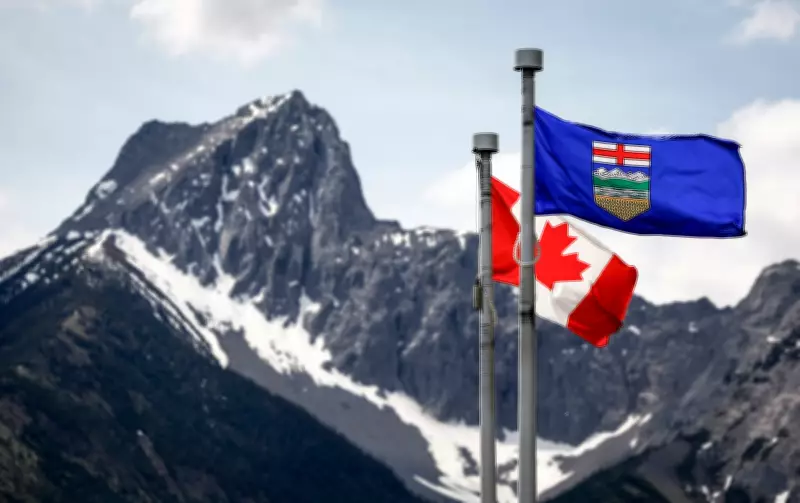
Alberta Independence Petition Drive Enters Final Phase as Deadline Approaches
The Alberta independence petition drive is rapidly approaching its conclusion, with just six weeks remaining for organizers to gather signatures. This initiative has sparked intense debate across the province and the nation, as experts begin to outline what would happen if voters ultimately back separation from Canada.
Constitutional and Legal Hurdles Ahead
Political analysts emphasize that even if the petition achieves its signature targets, the path to Alberta independence would face monumental constitutional challenges. Canada's constitutional framework does not contain a clear mechanism for provincial secession, meaning any separation attempt would likely require unprecedented negotiations with the federal government and potentially Supreme Court rulings.
"The petition represents political expression, but actual separation would involve years of complex legal battles," noted one constitutional scholar. "The Clarity Act establishes requirements for any province seeking to leave Confederation, including a clear referendum question and substantial majority support."

Economic Implications of Potential Separation
Economists have begun modeling potential scenarios should Alberta pursue independence. Key considerations include:
- Currency and monetary policy: Would Alberta adopt its own currency or continue using the Canadian dollar?
- Trade relationships: How would separation affect Alberta's access to Canadian and international markets?
- Resource management: What would happen to Alberta's oil and gas industry under an independent government?
- Federal transfers: How would the province replace billions in federal funding currently received?
Financial experts warn that uncertainty alone could trigger capital flight and investment hesitation, potentially impacting Alberta's economy regardless of the petition's outcome.
Political Landscape and Public Sentiment
The petition drive occurs against a backdrop of ongoing tensions between Alberta and the federal government over energy policy, equalization payments, and jurisdictional authority. While some Albertans express frustration with federal policies, polls suggest support for complete independence remains a minority position.
"This petition reflects genuine discontent in certain segments of Alberta's population," explained a political scientist specializing in Western Canadian politics. "However, translating that discontent into actual separation would require overcoming practical obstacles that most voters haven't fully considered."
What Happens Next?
As the petition drive enters its final weeks, attention turns to several key questions:
- Will organizers collect enough valid signatures to trigger formal consideration?
- How will provincial and federal governments respond if the petition succeeds?
- What legal precedents would guide any separation process?
- How would other provinces react to Alberta's potential departure?
The coming weeks will determine whether this initiative gains sufficient momentum to advance to the next stage or whether it will join previous separatist movements that ultimately failed to achieve their objectives. Regardless of the outcome, the petition has already succeeded in reigniting conversations about Alberta's place within Confederation and the balance of power between provinces and the federal government.