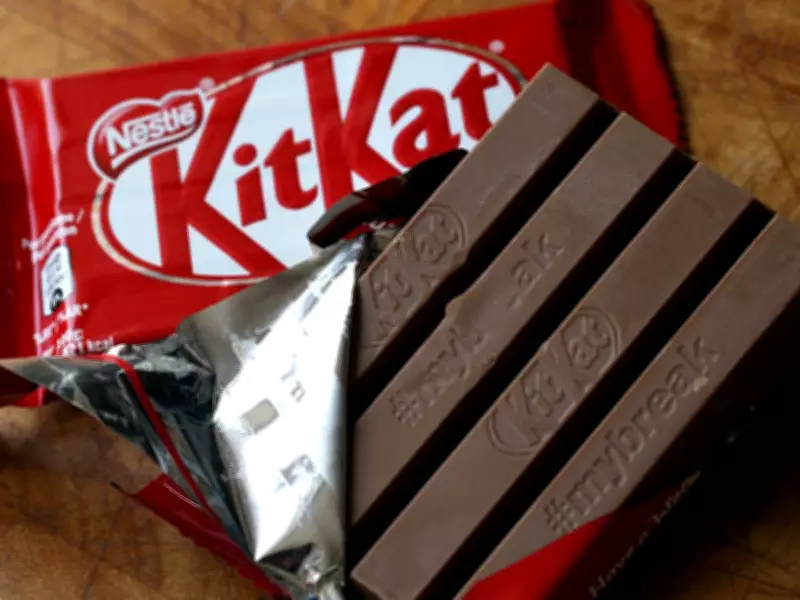
In a startling development that has sent shockwaves through the confectionery industry, Nestle has confirmed a major theft involving hundreds of thousands of KitKat chocolate bars during shipment across Europe. The Swiss-based food and beverage giant revealed that criminals made off with precisely 413,793 units of its popular chocolate range while the products were being transported between production and distribution facilities.
The Disappearing Chocolate Truck
The massive chocolate heist occurred as a truck loaded with the sweet cargo was making its way from central Italy to Poland. According to Nestle's official statement released on Friday, the vehicle and its contents have completely vanished, with authorities and company representatives unable to account for either the truck or its valuable chocolate payload. The shipment, estimated to weigh approximately 12 tonnes, was intended for distribution across multiple European markets along the planned travel route.
Potential Shortages Ahead of Easter
Nestle has issued a warning to consumers that this substantial theft may result in noticeable shortages of KitKat products in stores, particularly concerning as the Easter season approaches. "We've always encouraged people to have a break with KitKat," a company spokesperson remarked, referencing the brand's famous catchphrase. "But it seems thieves have taken the message too literally and made a break with more than 12 tonnes of our chocolate."

The timing couldn't be worse for chocolate lovers, with Easter traditionally representing one of the peak periods for confectionery sales across Europe. Nestle cautioned that customers may "struggle to find their favourite chocolates ahead of Easter" as the company works to assess the full impact of the theft on its supply chain.
Tracing the Stolen Sweets
Despite the significant loss, Nestle has implemented measures to potentially recover the stolen goods. Each chocolate bar carries a unique batch code that allows for individual tracing throughout the supply chain. The company has established a system where wholesalers, retailers, and even consumers can identify the stolen products by scanning these batch numbers.
"All products can be traced through a unique batch code assigned to individual bars," Nestle explained. If a match is detected during scanning, the system provides clear instructions on how to alert Nestle authorities about the location of the stolen merchandise. This sophisticated tracking system represents a significant advancement in combating cargo theft within the food industry.
Cargo Crime: An Escalating Concern
Nestle has chosen to publicly disclose this incident as part of a broader effort to raise awareness about the growing problem of cargo theft affecting businesses of all sizes. "Whilst we appreciate the criminals' exceptional taste, the fact remains that cargo theft is an escalating issue for businesses of all sizes," the company stated in its announcement.
The food giant further noted that "with more sophisticated schemes being deployed on a regular basis, we have chosen to go public with our own experience in the hope that it raises awareness of an increasingly common criminal trend." This public acknowledgment highlights how even major multinational corporations remain vulnerable to organized cargo theft operations.
Distribution Concerns and Market Impact
The stolen chocolate bars could potentially enter "unofficial sales channels" across European markets, according to Nestle's assessment. While the company hasn't disclosed the exact location where the theft occurred, the planned distribution route suggests the chocolate was destined for multiple countries between Italy and Poland.
This incident represents one of the largest single thefts of confectionery products in recent European history and underscores the challenges facing global supply chains. As Nestle works with law enforcement agencies across multiple jurisdictions to investigate the disappearance, the company continues to monitor its distribution networks for any signs of the stolen chocolate appearing in unauthorized markets.

The KitKat brand, owned by Nestle under license from Rowntree's, remains one of the world's most recognizable chocolate products, with billions of bars sold annually across more than 80 countries. This theft not only represents a significant financial loss but also threatens to disrupt seasonal sales patterns during one of the most important periods for chocolate manufacturers.