George Bernard Shaw once wrote that a 'reasonable man adapts himself to the world, the unreasonable one persists in trying to adapt the world to himself. Therefore, all progress depends on the unreasonable man.' This sentiment captures the paradoxical role of leaders who defy convention. However, when such leaders lose touch with reality, the consequences can be devastating.
The Science Behind Unreasonable Leaders
Nasser Ghaemi, a psychiatrist, offers a scientific perspective on Shaw's observation. In his book A First-Rate Madness, published 15 years ago, Ghaemi examines historic leaders who experienced mood disorders, including Abraham Lincoln, Winston Churchill, Mahatma Gandhi, Martin Luther King Jr., and John F. Kennedy. He argues that these leaders' struggles with conditions like mania and depression enhanced their realism, empathy, resilience, and creativity during crises. For instance, Churchill's 'black dog' depression helped him see reality without illusion, contrasting with Neville Chamberlain's overly optimistic outlook.
Similarly, mania can foster divergent thinking that persists beyond episodes. In times of crisis, such individuals may have an advantage over their 'normal' counterparts. However, this advantage diminishes when stability is required.

The Dark Side of Unreasonableness
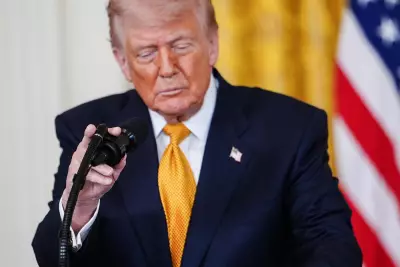
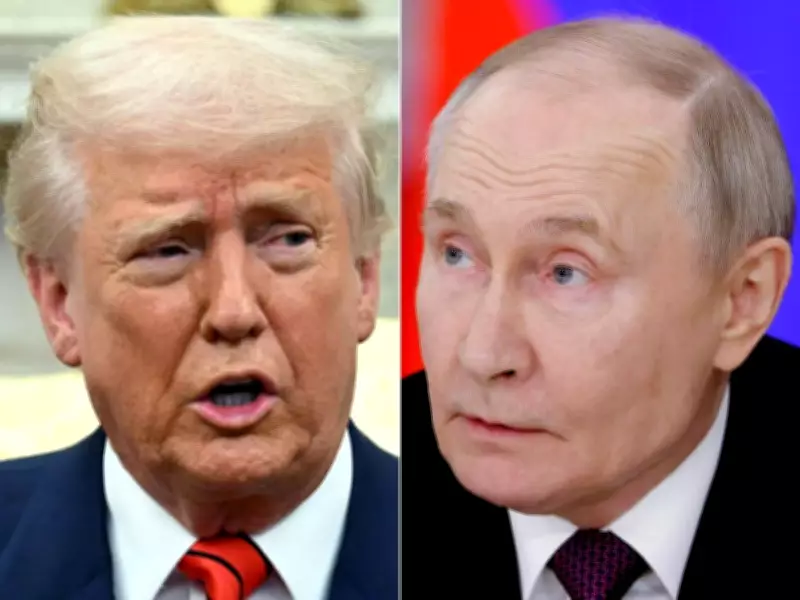
Both Shaw and Ghaemi celebrate leaders who transcend reason, but this raises a critical question: What happens when unreasonable leaders lose their grip on reality? Without selflessness, their egos can wreak havoc. Ghaemi's exemplary leaders shared a common trait: they were selfless, often shunning personal glory. In contrast, modern leaders like Russian President Vladimir Putin and U.S. President Donald Trump have turned war into a vanity project.
Putin's vanity has bankrupted Russia and prolonged the deadliest European war since World War II. Trump's hubris has sparked a global energy crisis and inadvertently reshaped the Middle East. Both attacked weaker nations but became entangled in endless conflicts with emboldened enemies, discovering that their opponents were a different kind of unreasonable.
Lessons for Today
Unreasonable leaders can drive progress, but unbalanced egos cause destruction. Canada, for instance, is still recovering from the costly vanity projects of former Prime Minister Justin Trudeau. Yet these failures pale compared to the global damage inflicted by Putin and Trump. While legitimate reasons for war exist—such as confronting a nuclear Iran—leaders blinded by their own image inevitably lead to failure.
Ghaemi, a childhood refugee from Iran, offered valuable insights into mood disorders. Now, the world needs similar observations on the deadly nature of out-of-control egos.
Read more: SNOBELEN: Wars only serve to make the world a little poorer and SNOBELEN: Trump and America had no choice but to take over the country.