

The Supreme Court of Canada is now the focal point for one of the most significant political controversies of the Justin Trudeau era. A hearing this week has brought the WE Charity scandal back into the national spotlight, examining the ethical and legal questions that have lingered since 2020.
The Core of the Controversy
The case centers on the federal government's decision in 2020 to award a sole-source contract to the WE Charity to administer the $912-million Canada Student Service Grant program. This decision sparked immediate controversy due to the organization's close ties with the Trudeau family. Both then-Prime Minister Justin Trudeau and former Finance Minister Bill Morneau were found to have violated the Conflict of Interest Act by failing to recuse themselves from the discussions.
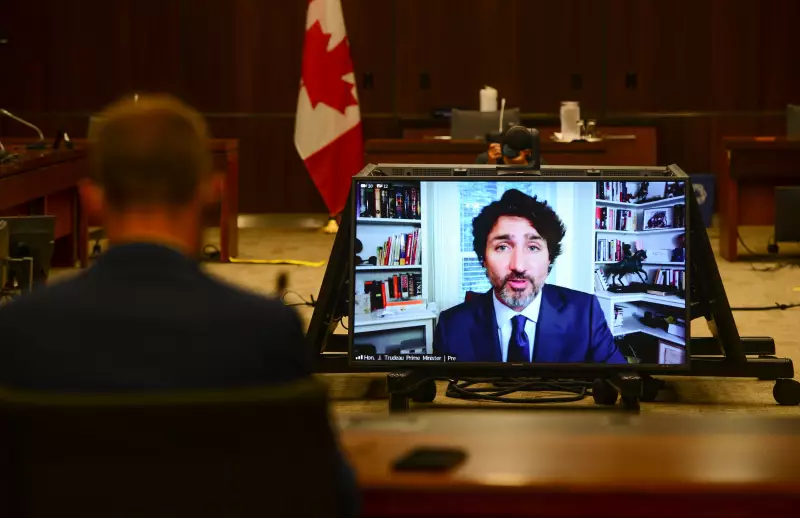
The scandal led to multiple parliamentary committee investigations and significant political fallout. Trudeau's appearance via videoconference before the House of Commons finance committee on July 30, 2020, became a defining moment, as he defended the government's choice under intense scrutiny. The program was ultimately cancelled, and the charity later announced it was winding down its Canadian operations.

Legal Questions Before the Court
The Supreme Court hearing, held in January 2026, is not a criminal trial but a pivotal examination of administrative law and government accountability. Legal experts anticipate the justices will delve into the thresholds for conflict of interest in high office and the standards for judicial review of ministerial decisions.
The case raises fundamental questions about the integrity of the procurement process and the ethical obligations of those in power. The court's eventual ruling could set a powerful precedent for how similar cases of perceived political favoritism are adjudicated in the future, potentially reshaping the boundaries of ministerial responsibility.
Enduring Political Repercussions
While Justin Trudeau is no longer prime minister, the WE Charity scandal remains a potent symbol of the ethical challenges that plagued his government. The Supreme Court's involvement, years after the fact, underscores the long shadow cast by the affair on Canada's political landscape.
The hearing serves as a stark reminder of the enduring consequences of political missteps. Its outcome will be closely watched by legal scholars, political analysts, and the public, as it will provide a final, authoritative legal perspective on a saga that captivated and divided the nation. The decision will contribute to the ongoing debate about transparency, ethics, and trust in Canada's democratic institutions.






