

Former Manitoba New Democratic Party finance critic Mark Wasyliw has initiated a defamation lawsuit after being ousted from the provincial NDP caucus. The legal action marks a significant escalation in the political fallout surrounding the Winnipeg MLA.
The Core of the Legal Dispute
The lawsuit, filed in early January 2026, centres on statements made in connection with Wasyliw's removal from the official opposition caucus. While the specific allegations cited in the defamation claim are not detailed in the initial report, the filing indicates a serious contention over the portrayal of events leading to his expulsion.
Mark Wasyliw, who represented the Fort Garry constituency, was a prominent figure within the party, notably serving as its finance critic. His removal from caucus was a major political development in Manitoba, effectively leaving him to sit as an independent in the Legislative Assembly.

Background and Political Context
The controversy stems from events preceding the lawsuit. Wasyliw was expelled from the Manitoba NDP caucus, a dramatic move that severed his formal ties with the party's elected wing. Such actions are typically reserved for significant breaches of caucus confidence or conduct.
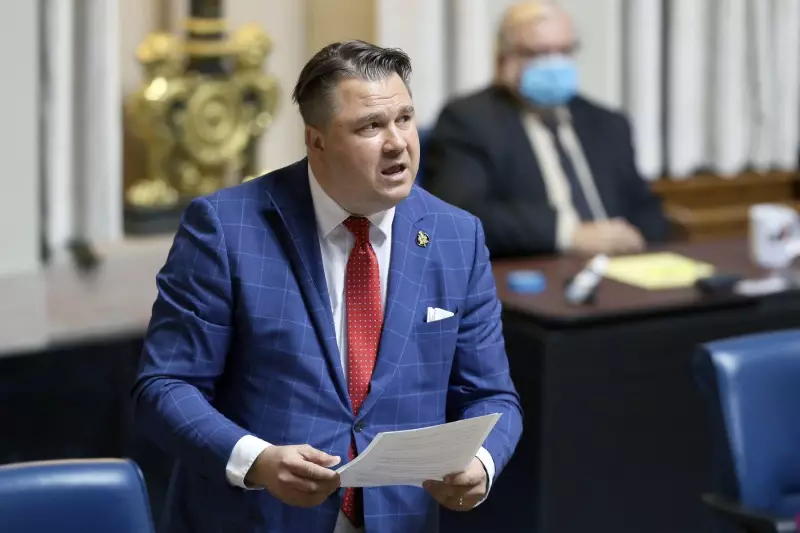
A known image from April 7, 2021, shows Wasyliw actively participating in question period at the Manitoba Legislature in Winnipeg. This visual record underscores his former role as a key player in the party's parliamentary operations before the rift occurred.
Implications and Next Steps
The filing of a defamation lawsuit suggests that Wasyliw is seeking legal recourse to challenge the narrative surrounding his departure. Defamation cases in the political sphere are complex, requiring the plaintiff to prove that false statements were made that harmed their reputation.
This legal move ensures that the internal party dispute will now play out, at least partially, in the public eye of the court system. It represents a rare instance where internal political discipline leads to a formal legal challenge, potentially setting precedents for how such conflicts are managed in the future.
The case will be closely watched by political observers in Winnipeg and across Canada, as it touches on the intersection of party discipline, political communication, and personal reputation. The outcome could influence how caucus disputes are handled and publicly discussed by political parties in Manitoba and beyond.






