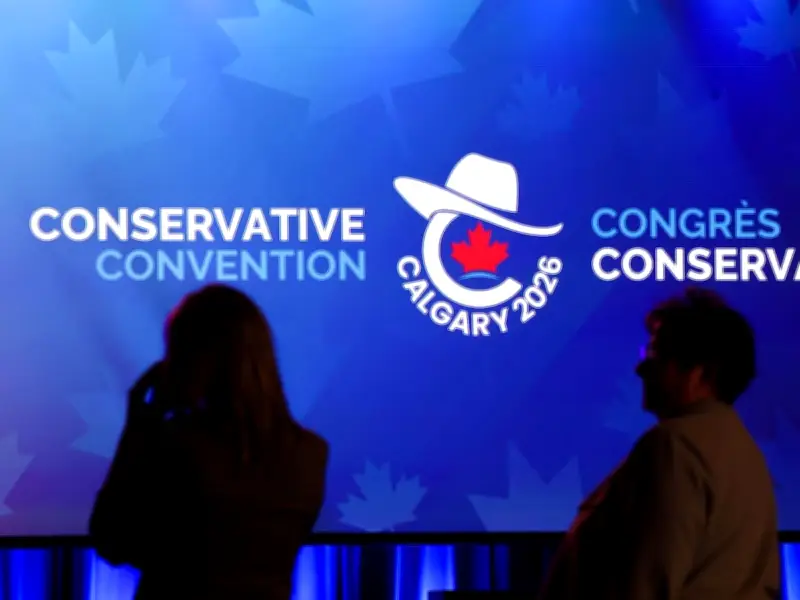
Anthony Koch, a conservative commentator, has grown frustrated with the notion that wanting Conservatives to win elections equates to being a Liberal. In a recent opinion piece, he argues that this mindset has become an excuse for failure within the Canadian political right.
The 'Fake Conservative' Label
Koch criticizes the segment of the conservative movement that labels those who prioritize electoral success as 'Fake Conservatives' or 'Liberal-lite.' He contends that caring about forming government, avoiding unforced errors, and crafting effective messaging are not signs of weakness but necessities for implementing conservative policies.
According to Koch, some conservatives have stopped measuring success by legislative achievements and instead gauge it by online approval, such as being called 'based' on social media platforms like X. He calls this approach 'juvenile and unserious' and a key reason why conservatives lose elections they should win.

The Cost of Losing Elections
Koch emphasizes that every election loss allows the opposing party to expand the bureaucracy, entrench activist institutions, appoint ideologically captured judges, shape public services, influence schools, and spend billions of dollars in ways that are difficult to reverse. Meanwhile, he argues, the 'professional losers' on the right congratulate themselves for viral social media posts that do little to advance their agenda.
'I haven't spent years arguing for the end of mass immigration, stronger borders, tougher criminal sentencing, Conservative state power, free speech, institutional reform and a restoration of Canadian identity because I secretly want to become a Liberal,' Koch writes. 'I want those things because I believe them. The difference between me and some people on the online right is that I actually want them implemented. That requires winning.'
Performative Outrage vs. Political Strategy
Koch asserts that some conservatives have become addicted to performative outrage, mistaking self-control for weakness and message discipline for ideological surrender. He argues that the left wins because it understands that politics is about acquiring and using power, while the right has cultivated a class of commentators and activists who disdain broad public appeal, persuasion, and professionalism.
Koch's piece serves as a call for the conservative movement to refocus on winning elections and enacting policy rather than seeking validation from online echo chambers.