Winnipeg Police Headquarters Inquiry Launches with Key Testimony
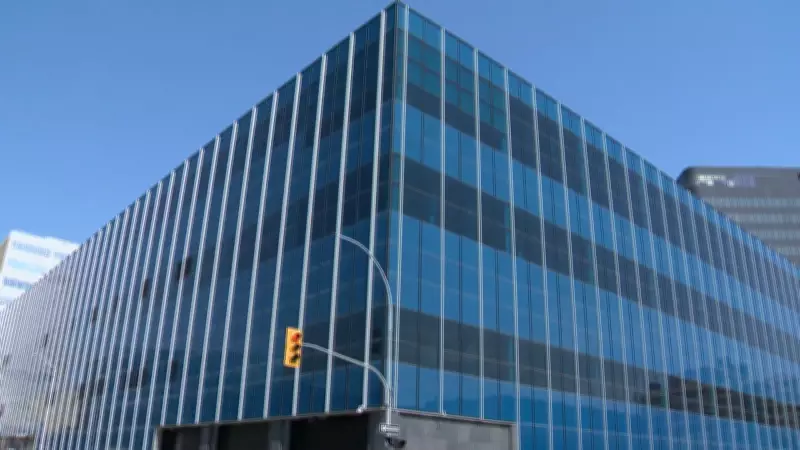
A long-awaited public inquiry into the scandal-plagued construction of the Winnipeg Police Service headquarters officially began on Tuesday, February 10, 2026, marking a significant development in a project that has been mired in controversy for years. The inquiry's first day featured testimony from the city's purchasing manager, whose insights into procurement processes are expected to shed light on how the project spiraled into one of Winnipeg's most expensive and problematic municipal endeavors.
Opening Testimony Reveals Procurement Concerns
The city's purchasing manager took the stand as the inquiry's initial witness, providing detailed testimony about the procurement and contracting procedures used during the police headquarters construction. According to reports from the inquiry's opening session, the manager expressed surprise at certain aspects of the project's development, stating they had "never seen it before" in reference to particular procurement practices employed during the construction phase.
This testimony sets the stage for what promises to be a comprehensive examination of how the project, originally budgeted at approximately $135 million, ultimately ballooned to over $210 million while facing numerous delays and construction deficiencies. The inquiry will scrutinize decision-making processes at multiple levels of municipal government and contracting relationships that contributed to the project's troubled trajectory.

Broader Context of Municipal Accountability
The Winnipeg Police Service headquarters inquiry represents more than just an investigation into a single construction project. It serves as a critical examination of municipal governance, procurement transparency, and accountability mechanisms within Winnipeg's city administration. The inquiry's findings could potentially influence how future major infrastructure projects are planned, tendered, and monitored across Canadian municipalities.
As the proceedings continue, additional witnesses including former city officials, project managers, and contractors are expected to provide testimony that will help reconstruct the timeline of decisions and identify where processes may have broken down. The inquiry has been granted broad powers to compel testimony and document production, ensuring a thorough investigation into all aspects of the controversial project.
Public Interest and Political Implications
The launch of this public inquiry comes after years of public pressure and political debate about the police headquarters project. Winnipeg residents have expressed frustration over the escalating costs and construction issues, while opposition politicians have consistently called for greater transparency regarding how taxpayer dollars were allocated and managed throughout the project's duration.
The inquiry's work is expected to continue for several months, with interim reports potentially influencing upcoming municipal elections and policy decisions regarding infrastructure development in Winnipeg. The proceedings are being closely monitored by municipal governance experts across Canada who view this as a potential case study in public project management and accountability.