Winnipeg Police Headquarters Inquiry Launches Today, Scrutinizing Major Project
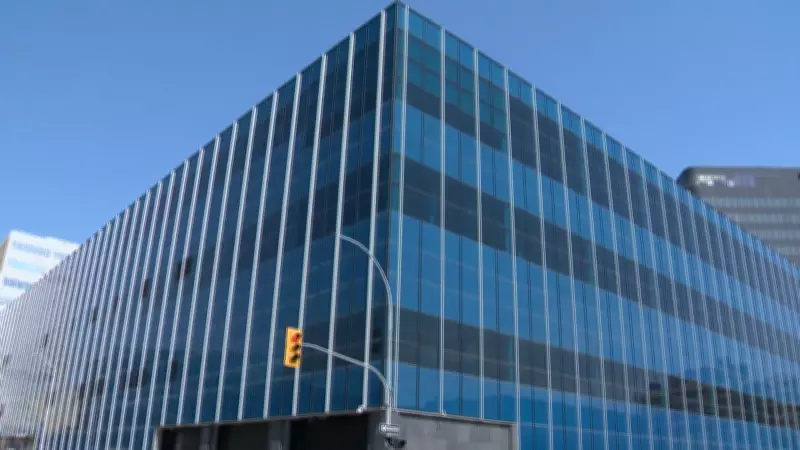
A significant public inquiry into the Winnipeg police headquarters project begins today, marking a pivotal moment for municipal accountability in Manitoba. The investigation will thoroughly examine the planning, construction, and financial management of the downtown facility, which has faced scrutiny for substantial cost overruns and operational challenges.
Background and Scope of the Investigation
The inquiry, led by independent commissioners, will delve into multiple aspects of the police headquarters project that has been a source of public concern for years. Originally budgeted at a specific amount, the final costs ballooned significantly beyond initial projections, raising questions about procurement processes, contractor selection, and oversight mechanisms.
Witness testimony from municipal officials, construction managers, financial auditors, and community representatives will form the core of the proceedings. The inquiry aims to establish a comprehensive timeline of decision-making and identify where accountability should be placed for the project's financial trajectory.

Community Impact and Taxpayer Implications
For Winnipeg residents, this inquiry represents more than just bureaucratic scrutiny—it addresses fundamental questions about how public funds are managed for essential infrastructure projects. The police headquarters, while serving as a critical facility for law enforcement operations, has become symbolic of broader concerns regarding municipal governance and fiscal responsibility.
Local taxpayers have expressed frustration about the escalating costs, particularly as other community services face budgetary constraints. The inquiry's findings could influence future infrastructure projects across Manitoba and potentially lead to reforms in how large-scale municipal developments are planned and executed.
Expected Outcomes and Timeline
The inquiry is projected to continue for several months, with interim reports potentially released throughout the process. Commissioners have emphasized their commitment to transparency, promising regular updates to the public about their progress and preliminary findings.
Legal experts anticipate that the final report will include specific recommendations for improving procurement practices, strengthening oversight mechanisms, and enhancing accountability measures for future municipal projects. These recommendations could extend beyond Winnipeg to influence provincial policies regarding public infrastructure development.
Broader Context of Infrastructure Accountability
This inquiry occurs against a national backdrop of increased scrutiny on public infrastructure projects. Recent reports have highlighted how climate-proofing infrastructure could save taxpayers billions, emphasizing the importance of proper planning and execution. The Winnipeg case study may contribute valuable lessons to this broader conversation about responsible public investment.
As the proceedings begin today, all eyes will be on Winnipeg as this inquiry seeks to provide answers, restore public trust, and establish clearer guidelines for how Canadian municipalities manage significant infrastructure investments moving forward.