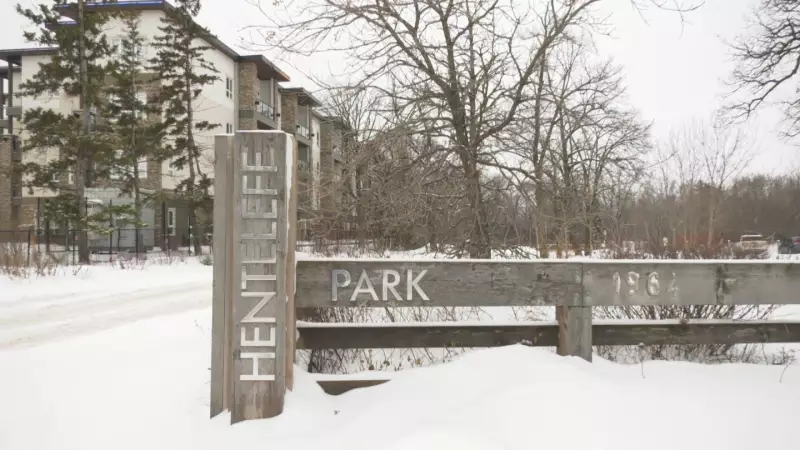
Residents of a Winnipeg neighbourhood are voicing strong opposition to a potential development project slated for an area near their local park, with specific concerns centred on the inclusion of pickleball courts. The proposed plan has sparked a community debate about noise, land use, and the character of the green space.
Community Concerns Take Centre Stage
Local homeowners have begun sounding the alarm about the development, which was brought to public attention in late December 2025. The project, as reported by journalist Joseph Bernacki, includes plans for new recreational facilities, with the proposed pickleball courts becoming a particular flashpoint for disagreement. Residents argue that the development could significantly alter the peaceful atmosphere of the park area they currently enjoy.
The Heart of the Dispute
The core of the residents' apprehension lies in the potential for increased noise levels and heightened activity that often accompany dedicated pickleball facilities. This fast-growing sport, while popular, is known for the distinct sound of paddles striking balls, which some fear could become a nuisance in a residential setting. The community's response highlights a growing tension in many cities between expanding recreational amenities and preserving neighbourhood tranquility.

The reporting on this issue, published on December 30, 2025, indicates that the proposal is still in its early stages, but it has already mobilized local opposition. The situation in Winnipeg mirrors conflicts seen in other Canadian municipalities where the installation of pickleball courts has led to similar debates between sporting enthusiasts and nearby residents.
Looking Ahead for the Neighbourhood
As the new year approaches, the future of the proposed development remains uncertain. The vocal response from the community ensures that any decision will likely involve further public consultation and scrutiny. The outcome will depend on balancing the demand for active public spaces with the rights and concerns of established residents who value their existing park environment.
This local story underscores a broader national conversation about urban planning, community input, and how cities adapt to new recreational trends. The residents' campaign against the pickleball courts serves as a reminder that even well-intentioned development projects must navigate the complex landscape of neighbourhood approval and quality-of-life considerations.