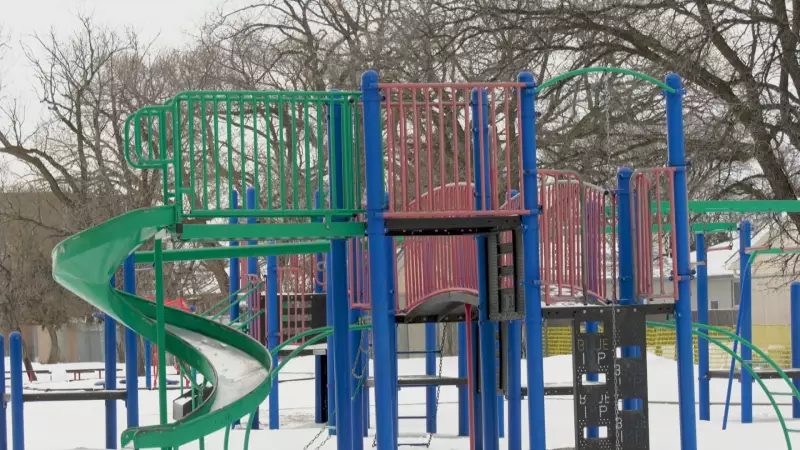
A Winnipeg city councillor is pushing for a significant shift in the way public school playgrounds are financed, arguing that the current model is unsustainable and in need of modernization. The initiative, highlighted in a report by CTV's Harrison Shin, seeks to establish a more reliable and equitable system for building and maintaining these vital community spaces.
The Call for a Sustainable Funding Solution
The proposal comes from within Winnipeg's city council, where the councillor has identified a pressing need to reassess playground financing. Under the present system, funding for new playground equipment and major renovations often falls heavily on parent councils and community fundraising efforts, which can lead to significant disparities between schools in different neighbourhoods.
The councillor's motion aims to explore collaborative funding models that could involve the city, the school division, and the provincial government. The goal is to create a stable, long-term financial framework that ensures all children have access to safe, modern, and engaging play structures, regardless of their school's capacity for grassroots fundraising.

Current Challenges and Community Impact
Playgrounds are more than just recreational spaces; they are crucial for child development, community gathering, and promoting physical activity. However, the cost of a new, accessible playground can easily reach hundreds of thousands of dollars. This financial burden often results in outdated or inadequate facilities, especially in communities with fewer resources.
The councillor's initiative, reported on December 22, 2025, suggests that a municipal-provincial partnership could be a viable path forward. This approach would recognize playgrounds as essential public infrastructure, similar to parks and community centres, warranting dedicated public investment.
Looking Ahead: The Path to Implementation
The next steps will involve formal discussions at the committee level, where the councillor will seek support to draft a detailed proposal. This will likely include consultations with school boards, parent groups, and recreation experts to design a model that is both effective and fair.
If successful, this policy change could set a precedent for other municipalities across Canada facing similar challenges. It represents a move toward viewing school playgrounds not as an optional luxury for schools to fundraise for, but as a fundamental component of healthy, vibrant communities that deserves consistent public support.
The debate underscores a broader conversation about how cities prioritize and pay for shared amenities that benefit children and families, marking a potential turning point for community infrastructure planning in Winnipeg.