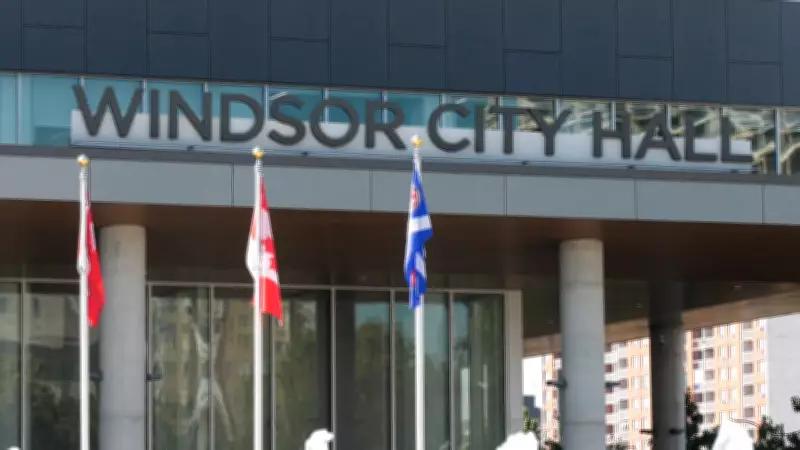
Windsor city council has formally requested that the Ontario provincial government restore the right of residents to appeal planning decisions, a change that officials say has created a divide within the community. The request comes in response to legislative amendments that limited public input in the planning process.
Council's Stance
During a recent council meeting, members expressed concern that the removal of appeal rights has left residents feeling powerless and disconnected from decisions that affect their neighborhoods. Councillors argued that the current system lacks transparency and accountability, leading to frustration among homeowners and community groups.
Impact on the Community
Council noted that the inability to challenge planning approvals has fostered a sense of distrust between residents and developers. Several speakers highlighted instances where developments proceeded without adequate consideration of local concerns, such as traffic congestion, property values, and environmental impacts.

“It’s created a divide,” said one councillor, emphasizing the need for a balanced approach that respects both development goals and community voices. The motion passed with strong support, directing the city to formally petition the province for legislative changes.
Provincial Context
Ontario's government had previously introduced reforms aimed at streamlining the planning process to accelerate housing construction. However, critics argue that these changes have undermined public participation and reduced oversight. Windsor’s request aligns with similar calls from other municipalities across the province.
Next Steps
The city will now submit a formal resolution to the Ministry of Municipal Affairs and Housing, urging a review of the appeal provisions. Council hopes that the province will consider amendments that restore a meaningful role for residents while maintaining efficiency in development approvals.
Residents have expressed cautious optimism about the initiative, with many attending council meetings to voice their support. Local advocacy groups plan to continue lobbying for broader reforms to ensure community input remains central to planning decisions.