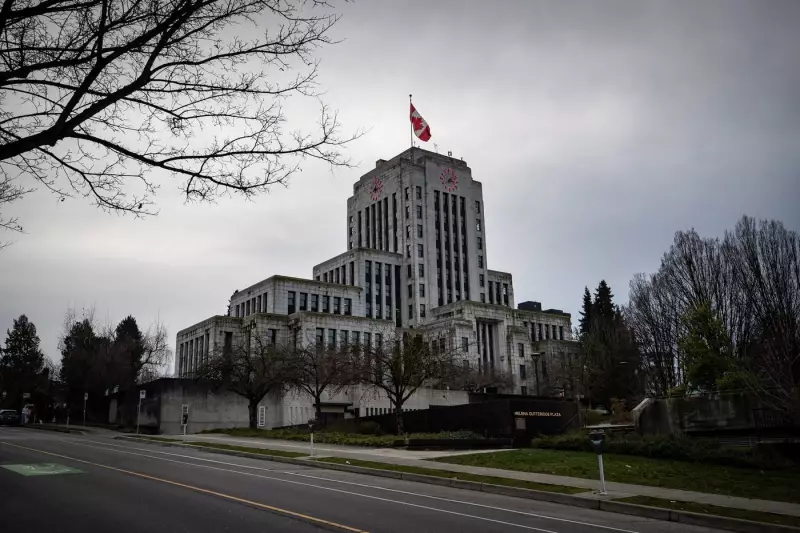
Vancouver City Council Rejects Bid to Reinstate Living Wage Policy
In a decisive move, Vancouver City Council has voted down a motion to reintroduce a living wage policy, effectively upholding its 2023 decision to eliminate the requirement for city contractors to pay employees a wage calculated to meet basic living costs in the region. The vote, which occurred during a recent council session, marks a significant moment in the ongoing debate over fair compensation and municipal fiscal responsibility.
Background and Context of the Living Wage Debate
The concept of a living wage differs from the provincial minimum wage by accounting for the actual cost of living in a specific area, including expenses such as housing, food, transportation, and childcare. Vancouver had previously implemented a living wage policy for its contractors, but this was scrapped three years ago amid concerns about increasing costs and budgetary pressures. Proponents of the policy argue that it ensures workers can afford to live in the city they serve, while opponents cite potential impacts on city finances and contract competitiveness.
Details of the Council Vote and Arguments Presented
During the council meeting, councillors engaged in a heated discussion before the motion was ultimately defeated. Supporters of the living wage motion emphasized its role in reducing poverty and supporting low-income families in one of Canada's most expensive cities. They pointed to studies suggesting that paying a living wage can boost employee morale, reduce turnover, and stimulate local economies.

On the other hand, councillors who voted against the motion raised concerns about the financial implications for the city, especially in light of other pressing budgetary needs such as housing, infrastructure, and public safety. Some argued that the policy could lead to higher costs for city services or limit the pool of contractors willing to bid on municipal projects.
Implications for Workers and the Local Economy
The rejection of the living wage motion means that city contractors in Vancouver will continue to be subject only to the provincial minimum wage requirements, which are currently lower than the calculated living wage for the region. This decision could affect thousands of workers employed by companies that provide services to the city, from janitorial staff to security personnel.
Advocacy groups have expressed disappointment, noting that Vancouver's high cost of living makes it particularly challenging for low-wage earners to make ends meet. They warn that without a living wage policy, income inequality in the city may worsen, potentially leading to increased reliance on social services.
Looking Ahead: Future Prospects for Wage Policies in Vancouver
While this motion has been defeated, the issue is unlikely to disappear from the municipal agenda. Councillors who supported the living wage have indicated they may bring forward similar proposals in the future, possibly with modified terms to address financial concerns. Additionally, public pressure and advocacy from labor unions and community organizations could keep the topic in the spotlight.
As Vancouver continues to grapple with affordability crises, the debate over fair wages is expected to remain a key point of contention in local politics, reflecting broader national conversations about economic justice and urban sustainability.