Toronto Police Implement Ban on Protests in Residential Neighborhoods
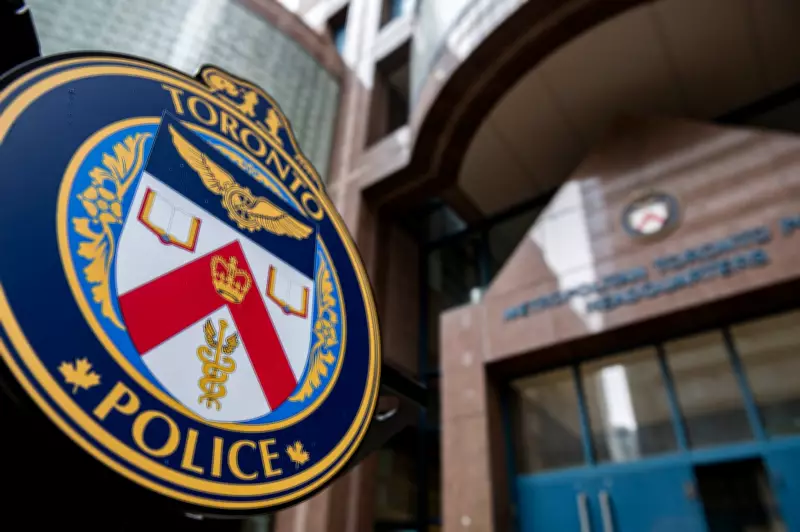
The Toronto Police Service has officially prohibited protests from occurring on residential streets in the vicinity of Bathurst Street and Sheppard Avenue. This new measure, announced on March 24, 2026, aims to address growing concerns over public safety and the disruption caused by demonstrations in residential areas.
Focus on Public Safety and Neighborhood Peace
According to police officials, the decision to ban protests on these specific residential streets stems from numerous complaints from local residents about noise, traffic congestion, and potential safety hazards. The police emphasize that while the right to peaceful assembly is respected, it must be balanced with the rights of residents to enjoy a quiet and secure living environment. This policy shift reflects a broader effort to manage protest activities in a way that minimizes impact on residential communities.
Details of the Ban and Enforcement
The ban specifically targets protests that take place on residential streets near the intersection of Bathurst and Sheppard, an area that has seen increased demonstration activity in recent months. Police will enforce this by directing protestors to designated public spaces or commercial areas where gatherings are permitted. Authorities have stated that any violations could result in fines or other legal actions, depending on the circumstances.

Community and Legal Reactions
Local residents have expressed mixed reactions to the ban. Some welcome the move as a necessary step to protect neighborhood tranquility, while others worry it might infringe on free speech rights. Legal experts are monitoring the situation closely, noting that such bans must be carefully crafted to avoid constitutional challenges. The Toronto Police Service assures that the ban is temporary and will be reviewed based on its effectiveness and community feedback.
Broader Implications for Protest Management
This action by Toronto police could set a precedent for how other cities in Canada handle protests in residential zones. It highlights the ongoing challenge of balancing democratic expression with public order. As urban areas become more densely populated, finding suitable locations for demonstrations that do not disrupt daily life is increasingly important. The police are encouraging organizers to plan protests in advance and coordinate with authorities to ensure compliance with the new regulations.