

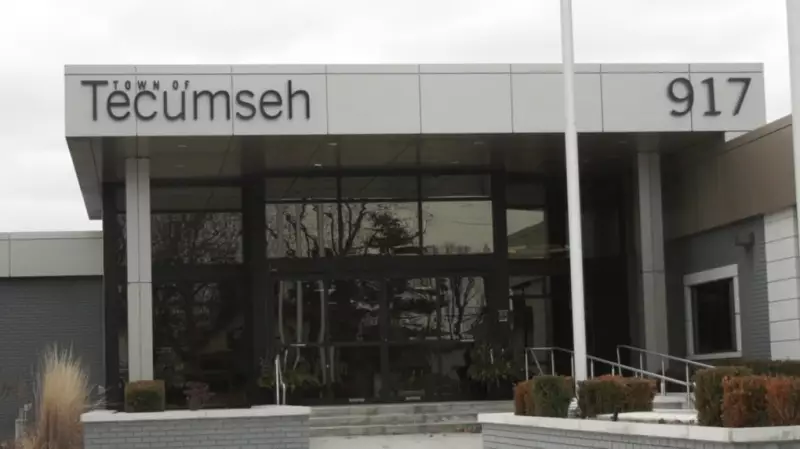
The Town of Tecumseh is facing a significant financial setback after a municipal decision led to the loss of millions in federal funding. A recent council vote has resulted in the forfeiture of $3.2 million from a federal housing initiative.
The Cost of Saying No to Fourplexes
At the heart of the issue is a council decision regarding zoning bylaws for multi-unit dwellings. The federal government's Housing Accelerator Fund, which offered the substantial grant, required municipalities to adopt policies allowing for greater density, including the construction of fourplexes as-of-right in residential zones. Tecumseh's council opted against making the necessary bylaw changes to permit this level of density, a move that directly triggered the withdrawal of the promised funds.
The decision was reported on January 11, 2026, highlighting the immediate financial consequence of the policy stance. The $3.2 million was earmarked for local infrastructure projects intended to support community growth and housing development.

Municipal Autonomy vs. Federal Incentives
This situation underscores a growing tension between municipal planning authority and federal funding conditions. The Housing Accelerator Fund is a national program designed to incentivize cities and towns to remove barriers to new home construction. By choosing to maintain its existing zoning rules, Tecumseh's council prioritized local control over accessing the federal purse.
The funds would have been used for critical infrastructure work, such as road upgrades, water systems, or community amenities that facilitate new housing. Their loss means the town will have to fund these projects through other means, potentially impacting local taxpayers or delaying improvements.
Broader Implications for Community Planning
The financial impact is clear, but the debate extends beyond the balance sheet. Proponents of the fourplex zoning argue that allowing gentle density is essential to address housing affordability and availability, especially in growing regions. Opponents often cite concerns about neighborhood character, parking, and strain on existing services.
Tecumseh's choice places it among a small number of municipalities that have declined the federal funding due to policy disagreements. The outcome may serve as a case study for other towns weighing similar decisions between adhering to traditional zoning models and accessing new streams of infrastructure money tied to housing policy reforms.
The town hall, a central symbol of local governance, now faces the practical challenge of moving forward without a multi-million dollar financial boost that was within its grasp.






