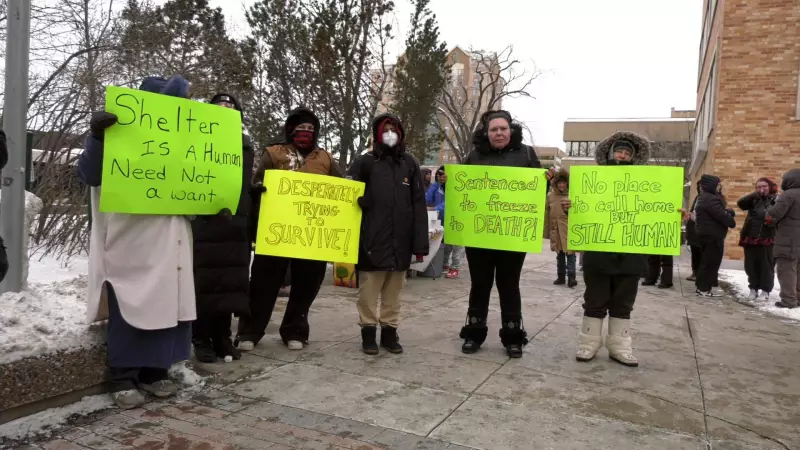
The City of Saskatoon has formally rejected calls to establish designated areas for homeless encampments within its boundaries. The decision came after advocates held a rally outside city hall on Wednesday, December 3, 2025, urging municipal leaders to create sanctioned spaces for the city's unhoused population to shelter.
Advocates Rally for Sanctioned Shelter Spaces
A group of concerned citizens and homelessness advocates gathered outside Saskatoon's city hall this week, pressing for a change in the city's approach to encampments. The rally highlighted the growing visibility of homelessness in the community and the lack of safe, legal outdoor spaces for individuals with no other shelter options. Organizers argued that designated areas would provide a measure of safety and stability for vulnerable residents, while also giving the city a framework to manage the situation and provide essential services.
City Council's Decision and Rationale
Despite the public demonstration, city officials ultimately decided against the proposal. The council's rejection aligns with a stance held by many municipalities across Canada that creating official encampment zones could be seen as endorsing unsafe living conditions and may present significant logistical, health, and safety challenges. The city has not publicly detailed an alternative plan following this decision, leaving the future of its response to visible homelessness uncertain.

The debate touches on a complex national issue, balancing compassion and practical urban management. Other Canadian cities have grappled with similar proposals, with mixed results. Saskatoon's decision underscores the ongoing struggle to find effective, humane solutions for supporting unsheltered populations during housing crises.
Broader Context of Homelessness in Saskatchewan
This local decision occurs within a wider provincial and national conversation about housing insecurity. Advocates often point to a shortage of affordable housing and shelter spaces as the root cause of encampments. The rejection of designated areas in Saskatoon now shifts focus back to existing shelter systems and long-term housing strategies. The city will need to navigate enforcement of existing bylaws against unsanctioned camping while facing continued advocacy for the rights of unhoused individuals.
The outcome leaves many questions unanswered regarding where individuals currently living in informal encampments will go, especially as winter conditions set in across the Prairies. Community groups and service providers are likely to continue their calls for increased emergency shelter capacity and more rapid development of supportive housing units as a permanent solution.